

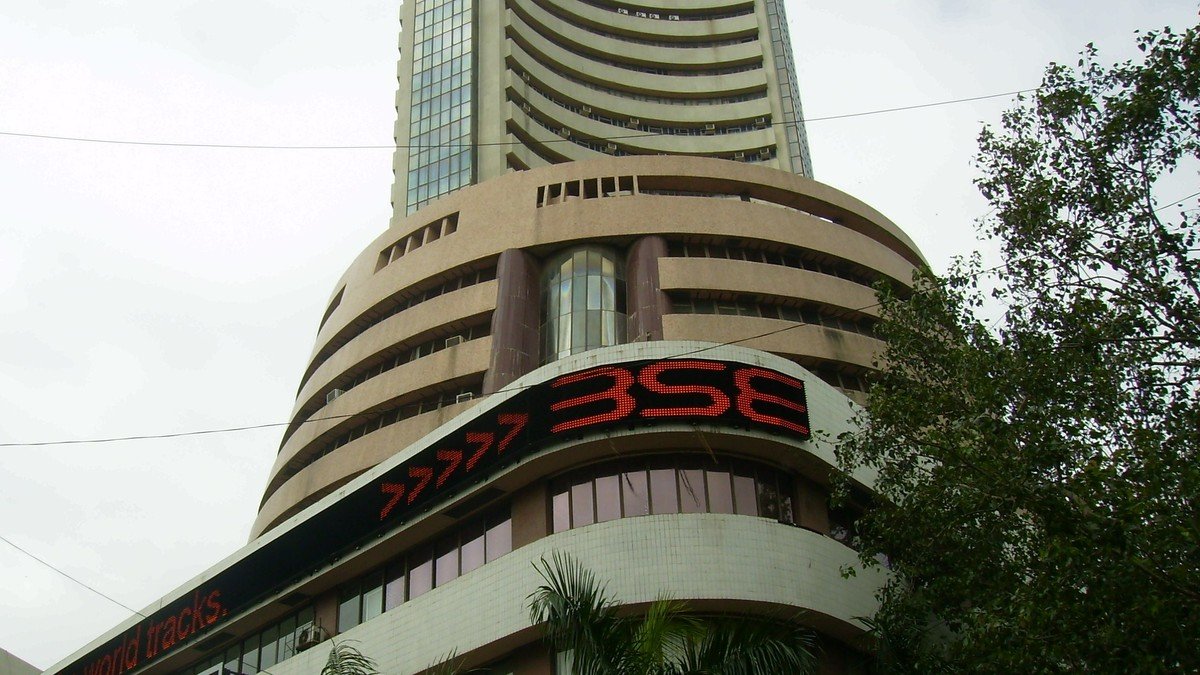
India's benchmark equity indices rewrote market history on Dalal Street as an aggressive global liquidity wave propelled the 30-share BSE Sensex past 84,900 points to a fresh intraday high of 84,980.53, while the broader NSE Nifty 50 index surged beyond 25,950, closing in on the monumental 26,000 milestone.
The explosive rally on the Mumbai bourses was turbocharged by accelerating Foreign Institutional Investor (FII) capital inflows following the US Federal Reserve's decisive 50-basis-point interest rate cut. Global asset managers, seeking high-growth alternatives amid easing monetary cycles across developed markets, aggressively expanded their exposure to Indian equities.
Global Risk-On Sentiment and Massive Foreign Portfolio Allocation
Market breadth remained overwhelmingly positive across sectors. Heavyweight private lenders led the charge, with HDFC Bank, ICICI Bank, and Kotak Mahindra Bank posting sharp gains. Consumer discretionary and automotive giants, including Mahindra & Mahindra and Maruti Suzuki, also advanced strongly on expectations of robust festive season sales boosted by above-normal monsoon rainfall.
Telecom bellwether Bharti Airtel and conglomerate Reliance Industries contributed substantial index points, while metal and energy counters participated in the broad-based upward momentum. Total market capitalization of all listed companies on the BSE reached a staggering high, reinforcing India's status as the fifth-largest equity market globally.
“The Indian market is demonstrating remarkable compounding strength. The US Federal Reserve's aggressive rate-cutting cycle has triggered a global risk-on environment, directing immense foreign liquidity into India thanks to our superior macroeconomic stability and corporate earnings visibility.”
Domestic Macroeconomic Resilience and Retail SIP Liquidity Pillar
Crucially, the market's ascent is anchored by an unshakeable domestic retail investment cushion. Monthly systematic investment plan (SIP) contributions by domestic retail investors recently crossed an unprecedented ₹23,500 crore (approximately $2.8 billion), insulating domestic bourses against potential external shocks and creating a permanent structural bid.
With India's annual real GDP growth projected near 7.0% to 7.2% by international financial institutions and headline inflation remaining comfortably anchored within the Reserve Bank of India's 4% target band, equity strategists anticipate that ongoing earnings expansion will continue to justify premium market valuations throughout the fiscal year.

Comments (0)
Log in to join the discussion.