

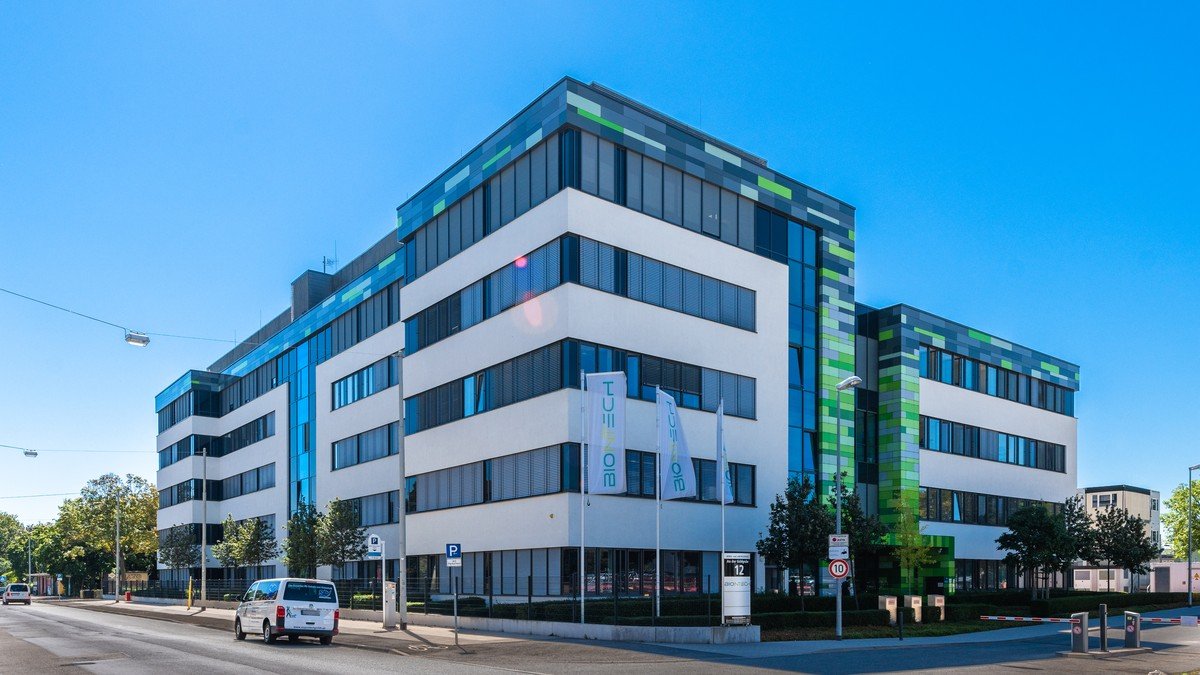
German biotechnology pioneer BioNTech SE has announced a significant expansion of its pivotal Phase 2 clinical trial evaluating BNT111, an off-the-shelf mRNA cancer immunotherapy candidate designed to treat patients with advanced, unresectable melanoma who have ceased responding to conventional anti-PD-1 checkpoint inhibitors.
The Mainz-headquartered company, which achieved worldwide renown for pioneering the first approved mRNA COVID-19 vaccine, is actively enrolling patients across leading university medical centers and specialized cancer institutes in Germany, the United Kingdom, France, Spain, and Italy.
Targeting Shared Tumor Antigens to Overcome Treatment Resistance
BNT111 represents the lead candidate from BioNTech's proprietary FixVac platform. The therapy encodes four shared, non-mutated tumor-associated antigens—NY-ESO-1, MAGE-A3, tyrosinase, and TPTE—which are expressed in more than 90% of cutaneous melanomas. Delivered via intravenous lipoplex nanoparticles, the mRNA is engineered to home directly to spleen dendritic cells.
In the randomized Phase 2 trial, investigators are testing BNT111 both as a monotherapy and in combination with Libtayo (cemiplimab), a PD-1-blocking antibody developed jointly with Regeneron Pharmaceuticals. Early clinical data have shown that BNT111 can elicit strong, tumor-infiltrating CD4+ and CD8+ T-cell responses even in patients whose immune systems failed standard immunotherapies.
“Our vision has always been to harness the power of the human immune system to fight cancer with precision. The expansion of our BNT111 trials across Europe brings us one step closer to making individualized mRNA cancer immunotherapies a reality for patients.”
The Path Toward Commercial Oncology mRNA Therapeutics by 2026
The clinical acceleration is part of BioNTech's strategic roadmap to establish mRNA as a cornerstone modality in precision oncology. The company is currently executing more than 30 clinical oncology trials spanning colorectal cancer, pancreatic ductal adenocarcinoma, and non-small cell lung cancer, targeting its first commercial cancer product launches by 2026.
Medical oncologists view the trial expansion as a critical benchmark for the entire biotechnology sector. Demonstrating that mRNA platforms can reliably generate sustained anti-tumor immune responses against refractory solid tumors would open therapeutic frontiers for hundreds of thousands of cancer patients worldwide.


Comments (0)
Log in to join the discussion.