

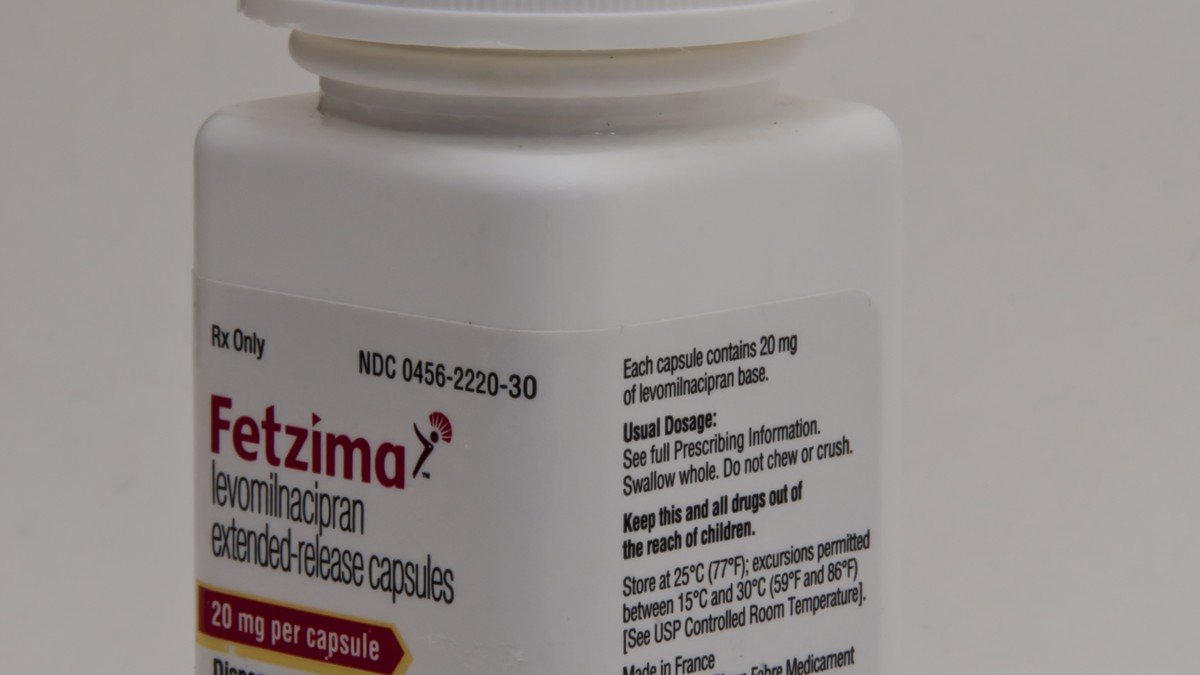
The United States Food and Drug Administration has granted regulatory approval to Cobenfy, an oral capsule developed by Bristol Myers Squibb, establishing the first entirely novel pharmacological approach to treating schizophrenia in more than seven decades.
Ever since the introduction of chlorpromazine in the 1950s, all approved antipsychotic medications have relied on blocking dopamine D2 receptors in the central nervous system. While effective at dampening hallucinations and delusions, dopamine blockade often triggers debilitating motor side effects, parkinsonian tremors, irreversible tardive dyskinesia, and dangerous metabolic weight gain.
A Paradigm Shift in Neuropsychiatric Medicine
Cobenfy, formerly designated KarXT during development by Karuna Therapeutics before its $14 billion acquisition by Bristol Myers Squibb, bypasses dopamine pathways entirely. Instead, it pairs xanomeline, an agonist targeting M1 and M4 muscarinic cholinergic receptors in the brain, with trospium chloride, a peripheral muscarinic antagonist that does not cross the blood-brain barrier.
This innovative combination allows xanomeline to modulate brain circuitry responsible for cognitive processing and psychiatric symptoms, while trospium neutralizes peripheral side effects such as nausea, dry mouth, and urinary retention before they manifest in the gut and peripheral nervous system.
“Schizophrenia is a leading cause of disability worldwide, yet treatment options have remained virtually unchanged in mechanism for generations. Cobenfy provides a desperately needed alternative that changes lives.”
Clinical Trial Efficacy and Side-Effect Profile
In pivotal Phase 3 clinical trials, known as the EMERGENT program, Cobenfy demonstrated statistically significant and clinically meaningful reductions in both positive symptoms, such as paranoia and hallucinations, and negative symptoms, including emotional flattening and social withdrawal, compared to placebo.
Psychiatrists and patient advocacy organizations, including the National Alliance on Mental Illness (NAMI), hailed the approval as a historic milestone that could dramatically improve treatment adherence for the approximately 2.8 million Americans living with the chronic neurological condition.



Comments (0)
Log in to join the discussion.