
German chemicals powerhouse BASF SE unveiled a sweeping corporate overhaul titled 'Winning Ways' at its Capital Markets Day in Ludwigshafen on Thursday. Chief Executive Markus Kamieth, who took the helm in April, pledged at least €12 billion in cumulative shareholder distributions between 2025 and 2028 through a combination of regular dividends and share repurchases, seeking to restore investor confidence following years of sluggish industrial demand and soaring European energy expenses.
Under the new strategy, the world's largest chemical producer is fundamentally reorganizing its operational architecture. BASF will differentiate between its core businesses—Chemicals, Materials, Industrial Solutions, and Nutrition & Care—and its standalone divisions, granting Environmental Catalyst and Metal Solutions, Battery Materials, Coatings, and Agricultural Solutions greater operational autonomy to pursue tailored growth and partnerships.
Decentralizing the Verbund: Four Standalone Businesses to Unlock Value
A prominent centerpiece of the roadmap is the formal preparation for an initial public offering of the Agricultural Solutions division. BASF aims to complete the corporate separation of the seeds and crop protection business by 2027, paving the way to list a minority stake on public exchanges to surface unrecognized shareholder value while retaining strategic control.
Simultaneously, Kamieth announced that BASF would explore divestment and strategic options for its decorative paints unit in Brazil and assess tactical options for its battery materials joint ventures. The company will also moderate its capital expenditure budget, capping annual capex below depreciation levels from 2026 onwards to safeguard free cash flow generation.
“We are setting BASF on a clear course for profitable growth and disciplined capital allocation. Our standalone business units will gain greater autonomy to unleash their full value.”
Capital Discipline, Agricultural IPO, and Ludwigshafen Restructuring
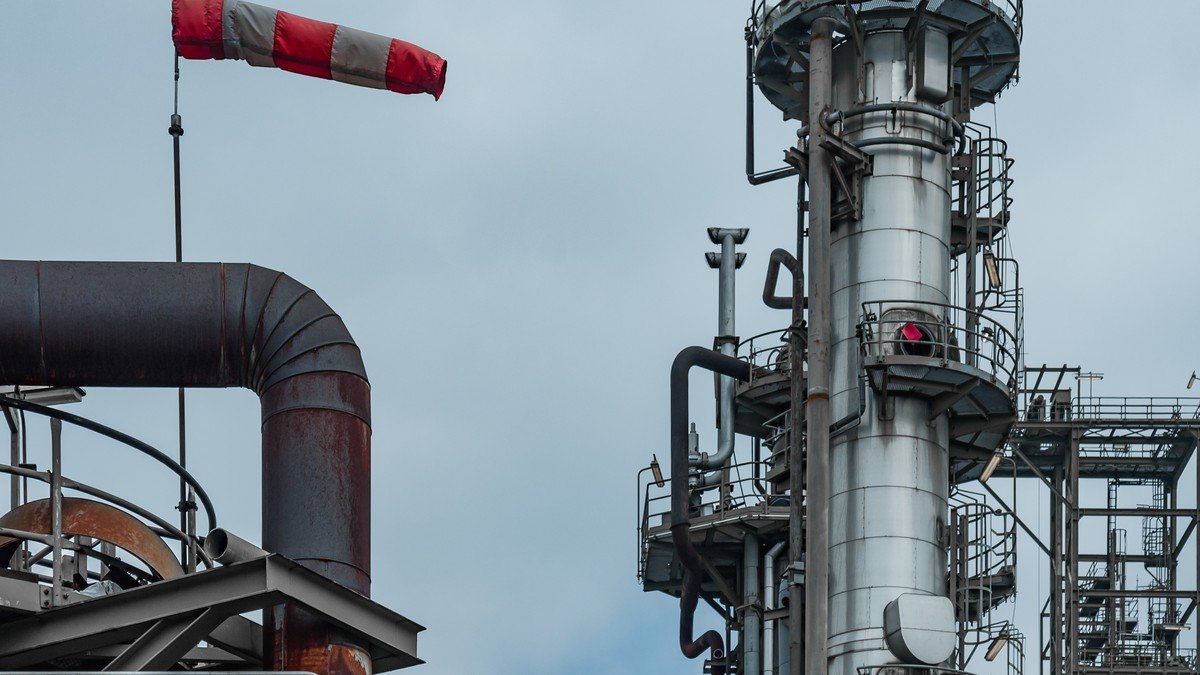
The transformation places intense scrutiny on the group's historic Ludwigshafen Verbund site, the largest integrated chemical complex in the world. Confronted by uncompetitive electricity prices and stringent regulatory burdens in Germany, management pledged to eliminate an additional €2.1 billion in annual running costs at the site by 2026, idling older production lines and optimizing capacity.
Shareholders and Frankfurt market analysts greeted the roadmap with cautious optimism, noting that while the €12 billion return target signals management discipline, the structural revival of core chemical margins depends on a broader recovery in European industrial output. BASF shares traded higher on the Xetra exchange following the presentation.
Comments (0)
Log in to join the discussion.