

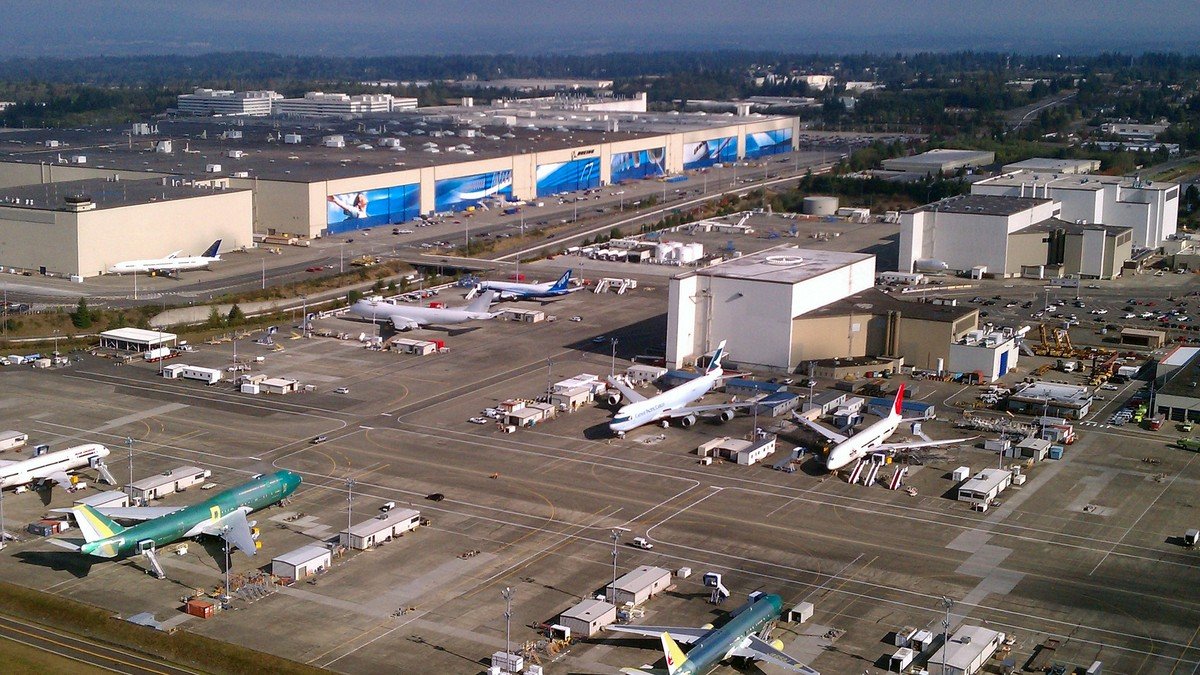
The high-stakes labor strike paralyzing The Boeing Company deepened on Wednesday after the International Association of Machinists and Aerospace Workers (IAM) District 751 refused to present the planemaker's latest contract offer to its 33,000 striking members for a vote. Boeing had publicly unveiled what it characterized as its 'best and final' proposal, featuring a 30% general wage increase over four years, but union leaders denounced the maneuver as an illegitimate public relations ploy designed to circumvent negotiated bargaining.
The rejected package represented an improvement over the tentative agreement rejected by 95% of union members on September 12, which had offered a 25% pay bump. In its revised terms, Boeing offered to restore an annual performance bonus, increase company retirement contributions to the 401(k) plan, and double the ratification signing bonus to $6,000, while imposing a strict Friday deadline for acceptance.
Bypassing the Bargaining Table Backfires on Boeing Leadership
Union leadership took severe issue not only with the content of the offer—which still fell short of the rank-and-file's original demand for a 40% wage increase and the reinstatement of defined-benefit pensions frozen a decade ago—but with the manner of its delivery. Management published the terms directly to employees and news media outlets without prior consultation or bargaining with the elected negotiating committee.
A survey conducted by the union across its membership revealed overwhelming sentiment against the proposal, prompting District 751 President Jon Holden to inform company management that no vote would be organized. Federal mediators who had facilitated previous sessions paused formal talks, leaving the sides deeply estranged.
“Boeing tried to circumvent the bargaining committee by publishing an unnegotiated offer directly to the media. Our members demand a genuine negotiated contract that addresses retirement and wages.”
Financial Toll Mounts as Commercial Jet Deliveries Grind to a Halt
The prolonged work stoppage is exacting a severe financial toll on the aerospace giant, which was already grappling with acute quality control crises following a mid-air door plug blowout in January. Production of Boeing's cash-cow 737 MAX narrowbody, the widebody 777, and 767 freighters across factories in Renton and Everett, Washington, has ground to a complete standstill, costing the company an estimated $100 million in daily cash burn.
To conserve liquidity, newly appointed CEO Kelly Ortberg has implemented temporary rolling furloughs for tens of thousands of white-collar executives and non-union engineers, initiated a hiring freeze, and suspended non-essential travel. Credit rating agencies have warned that a prolonged strike lasting into October could trigger a downgrade of Boeing's bonds to junk status, complicating its debt refinancing efforts.


Comments (0)
Log in to join the discussion.