

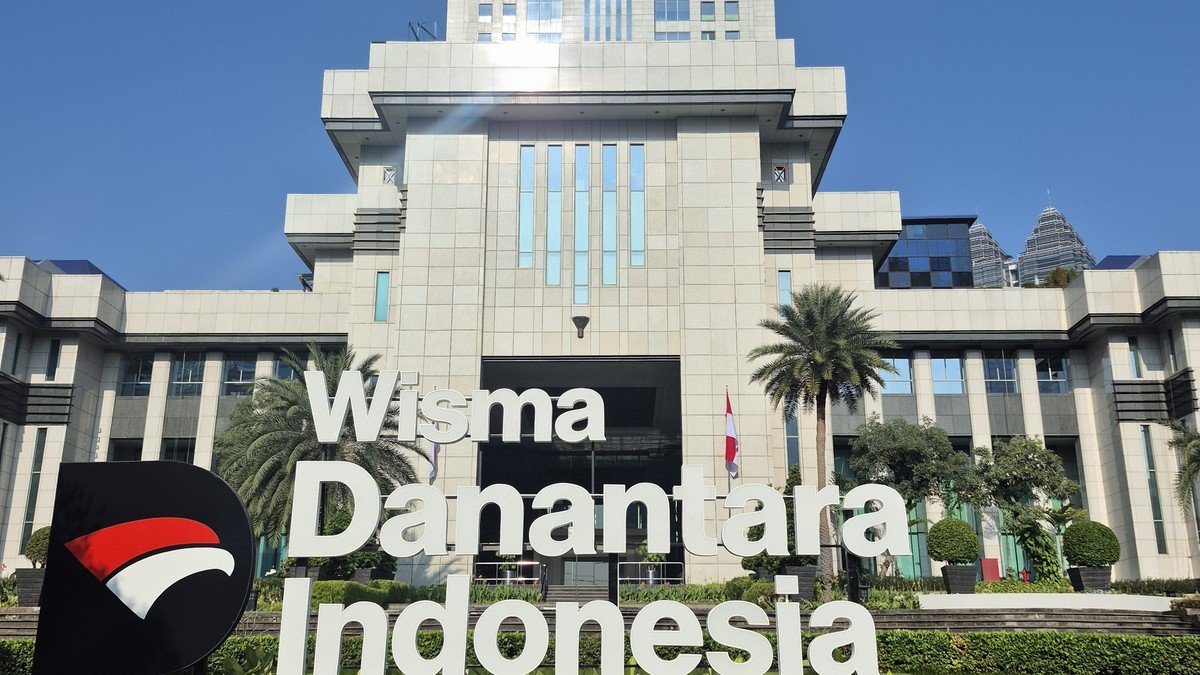
In an unexpected policy pivot that caught global financial markets off guard, Bank Indonesia's Board of Governors concluded its monthly monetary review on September 22, 2026, by lowering the benchmark BI-Rate by 25 basis points to 6.00%. The decisive rate cut represents Southeast Asia's largest economy moving ahead of several major global central banks to stimulate domestic investment.
Alongside the headline rate, the central bank reduced the Deposit Facility rate by 25 basis points to 5.25% and the Lending Facility rate to 6.75%. Prior to the announcement, an overwhelming majority of international investment bank economists had forecasted no policy change, anticipating that Indonesian policymakers would wait for forward clarity from the US Federal Reserve.
Pre-Emptive Policy Easing Amid Stable Currency and Benign Inflation
Bank Indonesia Governor Perry Warjiyo explained during a televised press conference in Jakarta that domestic economic fundamentals provided ample room for monetary easing. Annual consumer price index inflation stood comfortably at 2.1% in August—well within Bank Indonesia's target corridor of 1.5% to 3.5%—driven by disciplined food price management and stable energy subsidies.
Currency dynamics also heavily favored the rate decision. The Indonesian rupiah has demonstrated notable resilience against the US dollar over the preceding quarter, buoyed by significant foreign portfolio inflows into government bonds (SBN) and Bank Indonesia Rupiah Securities (SRBI). The nation's foreign exchange reserves remained robust at over $150 billion.
“This pre-emptive rate reduction is consistent with our forecast of low inflation in 2026 and 2027, sustained rupiah stability, and the urgent necessity to accelerate domestic economic growth.”
Stimulating Bank Intermediation to Fuel 5.2% National GDP Target
The primary objective of the easing cycle is to accelerate bank intermediation across productive sectors. While national banking liquidity remains structurally loose, annual bank credit growth had hovered around 11.4%, slightly below the government's aspirational targets. Lower borrowing costs are expected to invigorate manufacturing capex, automotive financing, and commercial property development.
Financial market participants responded favorably to the move, with the Jakarta Composite Index (IHSG) rallying over 1.2% in afternoon trading and sovereign bond yields declining across the curve. Analysts noted that Bank Indonesia's bold, independent policy signaling reinforces institutional credibility as the country pursues sustained 5.2% annual GDP expansion.
Comments (0)
Log in to join the discussion.