

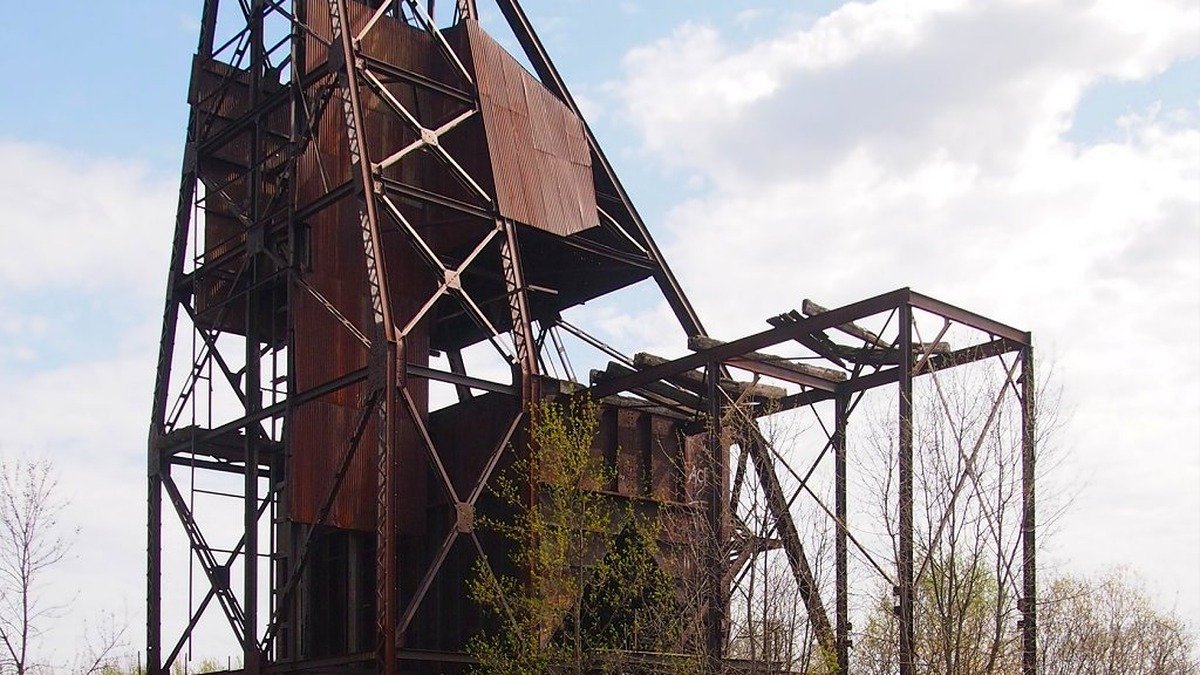
A catastrophic methane gas explosion ripped through the Madanjoo coal mine in eastern Iran's South Khorasan province, killing at least 51 workers and injuring 20 others in one of the worst industrial disasters in the country's modern history. The blast occurred at approximately 9:00 p.m. local time on Saturday as dozens of night-shift miners were operating specialized extraction equipment hundreds of meters underground.
According to state news agency IRNA, approximately 70 miners were laboring inside blocks B and C of the privately operated facility when a sudden build-up of volatile methane gas ignited. The resulting shockwave collapsed subterranean shafts and flooded interconnected tunnels with lethal concentrations of carbon monoxide gas.
Deadly Gas Build-up and Treacherous Rescue Conditions
Rescue teams from the Iranian Red Crescent and provincial emergency management agencies rushed to the remote site, located approximately 85 kilometers (53 miles) outside the desert city of Tabas. However, specialized rescue squads equipped with oxygen tanks and gas detectors faced severe obstacles as elevated carbon monoxide levels repeatedly forced retreats from tunnel C.
Emergency officials confirmed that most of the casualties succumbed to gas asphyxiation rather than structural collapse injuries. Mine ventilation equipment was deployed to pump pressurized fresh air into the deepest shafts, allowing recovery crews to reach trapped personnel across Sunday morning.
“Our primary priority is securing the tunnels to extract trapped miners while ensuring our specialized rescue squads are not overcome by lethal gas pockets.”
National Inquiries and Scrutiny of Mine Safety Standards
Iranian President Masoud Pezeshkian expressed heartfelt condolences to the families of the victims before boarding a flight to the United Nations General Assembly in New York, instructing first vice president Mohammad Reza Aref and cabinet ministers to launch a comprehensive inter-agency investigation into regulatory safety adherence.
Iran consumes roughly 3.5 million tons of coal annually, mining around 1.8 million tons domestically while importing the remainder for heavy metallurgical processing. Industry observers note that the Tabas tragedy has renewed acute national debates regarding ventilation standards, automated methane detection sensors, and labor protections across the country's aging extractive infrastructure.

Comments (0)
Log in to join the discussion.