

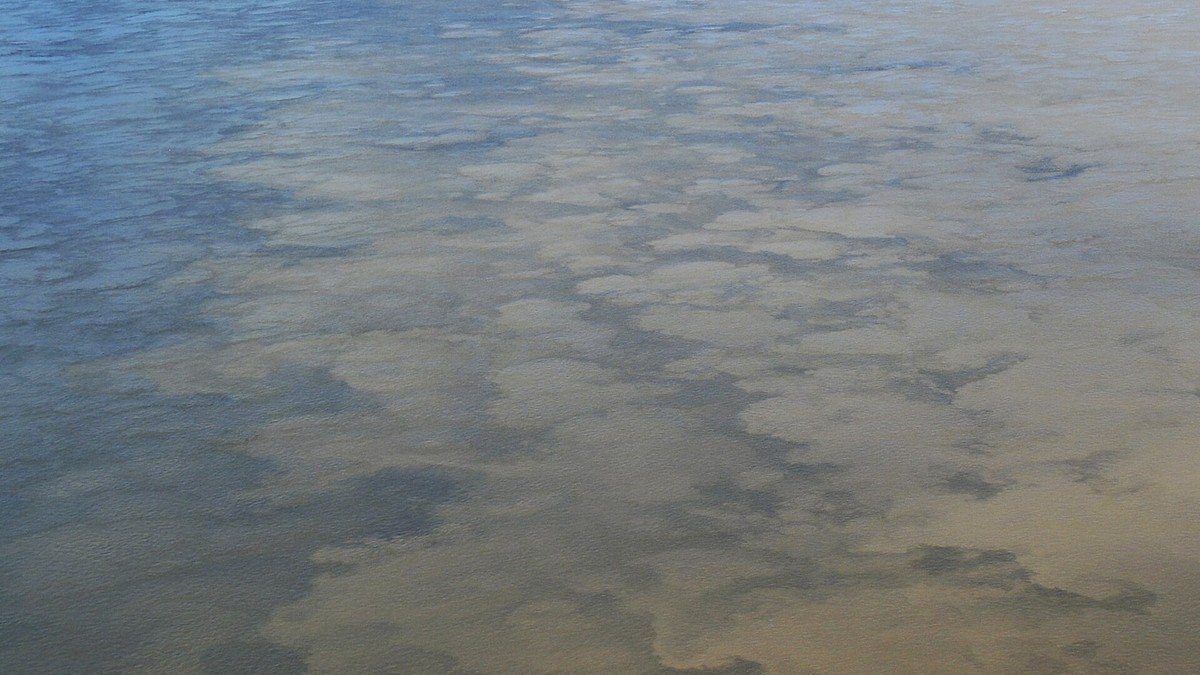
Water levels on the Rio Negro, one of the primary tributaries of the Amazon River, dropped to an all-time low of 12.66 meters at the Port of Manaus, shattering the previous record of 12.70 meters registered during October 2023. Officials at the port authority confirmed that the reading represents the lowest depth recorded since systematic hydrological measurements began 122 years ago in 1902.
Across the wider Amazon River basin, major waterways including the Solimões and Madeira rivers have receded to historic lows following months of scarce rainfall. Vast expanses of cracked mud and sandbars now stretch where deep navigable channels once flowed, stranding wooden passenger ferries and heavy cargo barges across Amazonas state.
Unprecedented Hydrological Crisis Across the Amazon Basin
Climatologists link the unprecedented back-to-back extreme droughts to a combination of persistent atmospheric warming in the tropical North Atlantic and lingering effects of the El Niño weather phenomenon. Elevated temperatures have intensified evaporation while shifting rain-bearing clouds away from the central rainforest, prolonging the dry season.
The ecological toll on aquatic ecosystems has been devastating. Shallow, stagnant pools along receding tributaries have experienced soaring water temperatures and depleted oxygen levels, threatening endangered pink river dolphins and commercial fish stocks that sustain traditional riverine populations.
“This drought represents the most severe hydrological crisis in over a century of measurements, paralyzing navigation and cutting off isolated river communities.” — Geological Survey of Brazil (SGB-CPRM)
Supply Chain Paralysis and Humanitarian Emergency in Northern Brazil
For the two million residents of Manaus and its free-trade industrial zone, the river crisis has triggered severe logistical bottlenecks. Container ships carrying electronics components, grains, and fuel have been forced to halt or offload cargo onto smaller barges downstream, driving up freight costs and delaying factory output.
Civil defense agencies have declared states of emergency across all 62 municipalities in Amazonas, deploying helicopters and shallow-draft boats to deliver emergency food parcels, potable water filters, and medical supplies to isolated indigenous and riverside villages. Meteorologists warn that water levels may continue receding until regular rains return in November.
Frequently Asked Questions
What record low water level was recorded on the Rio Negro at Manaus?
The Rio Negro dropped to 12.66 meters at the Port of Manaus, the lowest level recorded since measurements started in 1902.
How is the Amazon drought affecting communities and commerce?
The drought has halted container shipping to Manaus's industrial zone and isolated hundreds of riverside communities lacking food and clean water.

Comments (0)
Log in to join the discussion.