

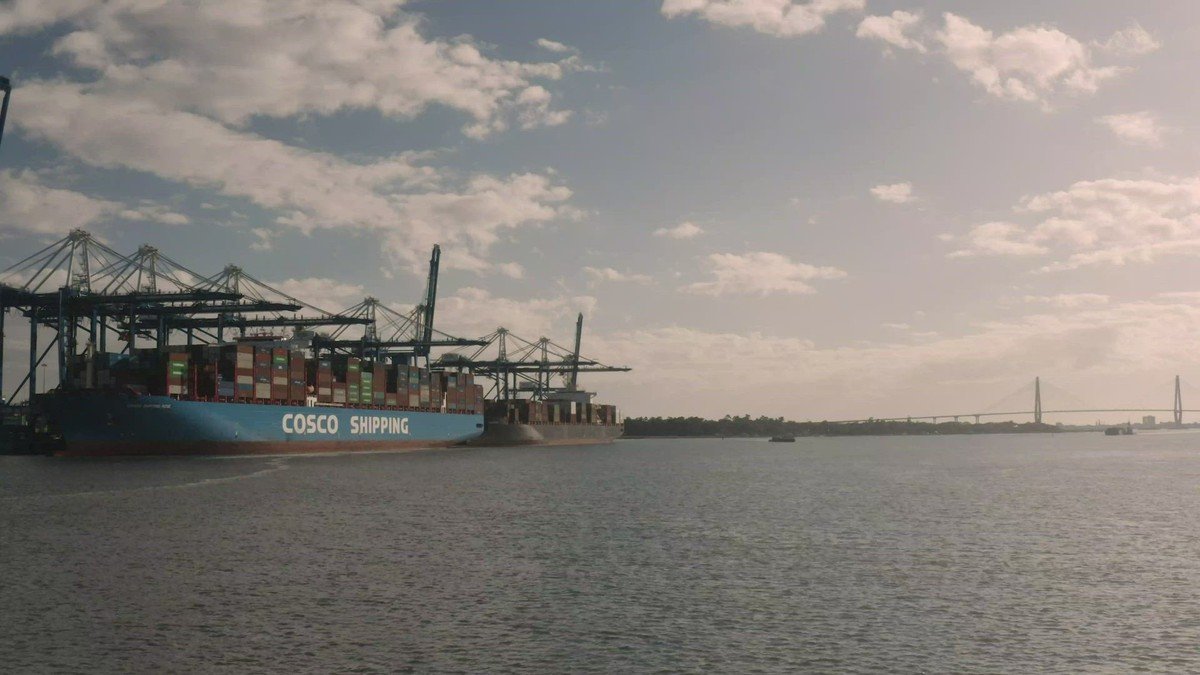
With a crippling maritime shutdown imminent, the United States Maritime Alliance (USMX) filed an unfair labor practice charge with the National Labor Relations Board (NLRB) on Sunday against the International Longshoremen's Association (ILA). The legal maneuver represents a high-stakes effort by ocean carriers and terminal operators to compel union leadership back to collective bargaining before a contract expires at midnight on October 1.
If no compromise is reached, approximately 45,000 dockworkers will walk off the job across 36 major commercial ports along the Atlantic and Gulf Coasts, stretching from Maine to Texas. The threatened walkout would shutter terminals handling over half of all United States containerized ocean imports and exports, marking the first coast-wide dock strike since 1977.
Deadlock Over Wage Demands and Terminal Automation Stalls Master Contract
Negotiations over a new six-year master contract broke down over two non-negotiable issues: wage increases and terminal automation. The union, led by President Harold Daggett, is demanding pay hikes reportedly exceeding 75% over the life of the agreement to compensate for pandemic-era inflation and massive carrier shipping profits. Concurrently, the ILA demands an absolute contractual ban on automated and semi-automated container cranes and processing gates.
USMX, which represents foreign container lines, terminal operators, and port associations, countered with proposed wage increases nearing 40% alongside commitments to maintain existing automation protections. However, formal talks stalled after the union accused employers of introducing automated gate systems at the Port of Mobile without prior consultation.
“We have demonstrated a clear willingness to negotiate substantial wage improvements and retain automation protections, but repeated union refusals to meet leave American supply chains in severe jeopardy.” — United States Maritime Alliance Board of Directors
Economic Shockwaves and Potential Federal Intervention
Economic analyses estimate that an East and Gulf Coast port stoppage could cost the United States economy between $1 billion and $5 billion per day. Retailers stocking shelves for the critical fourth-quarter holiday shopping season, automobile assemblers awaiting foreign components, and agricultural producers exporting perishable goods face catastrophic logistical disruptions.
Business associations and logistics groups have petitioned the White House to invoke the 1947 Taft-Hartley Act, which empowers the president to seek a court order establishing an 80-day cooling-off period. However, administration officials have expressed reluctance to intervene, insisting that both parties settle the dispute directly at the negotiating table.
Frequently Asked Questions
Why did USMX file a charge with the NLRB against the ILA?
USMX filed an unfair labor practice charge alleging that the union refused to bargain in good faith and repeatedly rejected invitations to meet before the contract deadline.
What ports are affected by the potential dock strike?
The strike threatens 36 commercial ports along the Atlantic and Gulf coasts, including major hubs in New York, New Jersey, Savannah, Houston, and Charleston.



Comments (0)
Log in to join the discussion.