
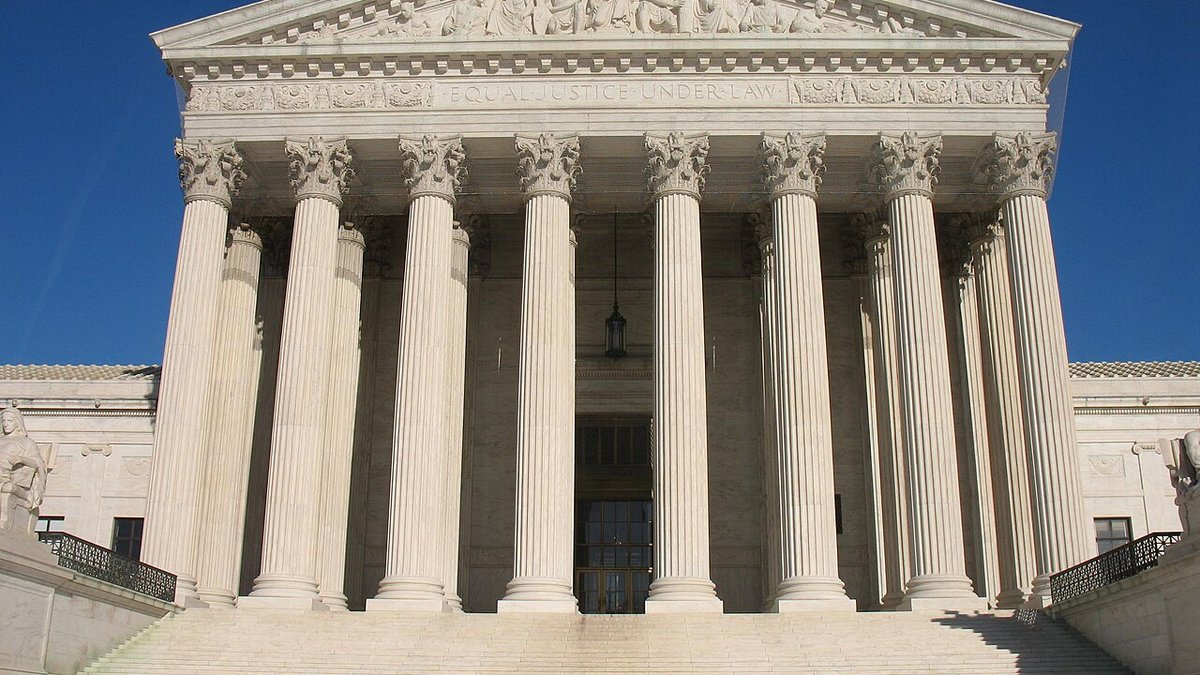
The Supreme Court of the United States convened on the statutory first Monday in October to inaugurate its 2024-2025 judicial term, immediately plunging into high-stakes constitutional questions regarding firearm safety and the scope of executive power. The nine justices took the bench to hear oral arguments in Garland v. VanDerStok, a pivotal dispute examining the legality of a federal rule aimed at curbing the proliferation of untraceable, homemade 'ghost guns'.
At the center of the dispute is a 2022 regulation promulgated by the Bureau of Alcohol, Tobacco, Firearms and Explosives (ATF) under the Gun Control Act of 1968. The rule updated the statutory definition of a firearm to include commercial 'buy build shoot' kits, requiring parts manufacturers to imprint serial numbers on key components, conduct mandatory background checks on purchasers, and maintain sales records.
Garland v. VanDerStok Tests Federal Firearm Oversight Limits
Solicitor General Elizabeth Prelogar argued vigorously on behalf of the Department of Justice, contending that DIY kits containing nearly complete weapon frames and parts can be assembled into functional lethal weapons in under thirty minutes. The government warned that exempting these kits from federal oversight creates a dangerous loophole exploiting criminal syndicates and minors seeking to evade federal background checks.
Attorneys representing firearm kit manufacturers and gun rights advocacy groups countered that the ATF overstepped its statutory boundaries by rewriting legislative definitions without congressional authorization. They asserted that unfinished components do not meet the legal threshold of a firearm and that administrative agencies cannot unilaterally criminalize commercial trade without express statutory text.
“The opening of the new October term brings fundamental questions concerning regulatory authority, statutory interpretation, and the limits of executive power before the Court.” — Supreme Court Historical Society & Legal Analysis Directorate
Administrative Power and Executive Agency Authority in the Balance
During questioning, several conservative justices, including Chief Justice John Roberts and Justice Amy Coney Barrett, appeared skeptical of the gun industry's arguments, drawing analogies to everyday assembly products like build-it-yourself furniture and meal prep kits to examine whether nearly finished products effectively constitute the final item.
The case represents the vanguard of a consequential term poised to further define the contours of American administrative law following the court's historic decision earlier this year overturning Chevron deference. A final ruling in the ghost gun dispute is expected by late spring 2025, with major implications for nationwide public safety policies.
Frequently Asked Questions
What is the central issue in Garland v. VanDerStok?
The case examines whether the ATF exceeded its legal authority by regulating untraceable ghost gun assembly kits as traditional firearms.
What requirements does the challenged ATF rule impose?
The rule requires manufacturers of DIY weapon kits to imprint serial numbers, run background checks on buyers, and keep transaction records.


Comments (0)
Log in to join the discussion.