

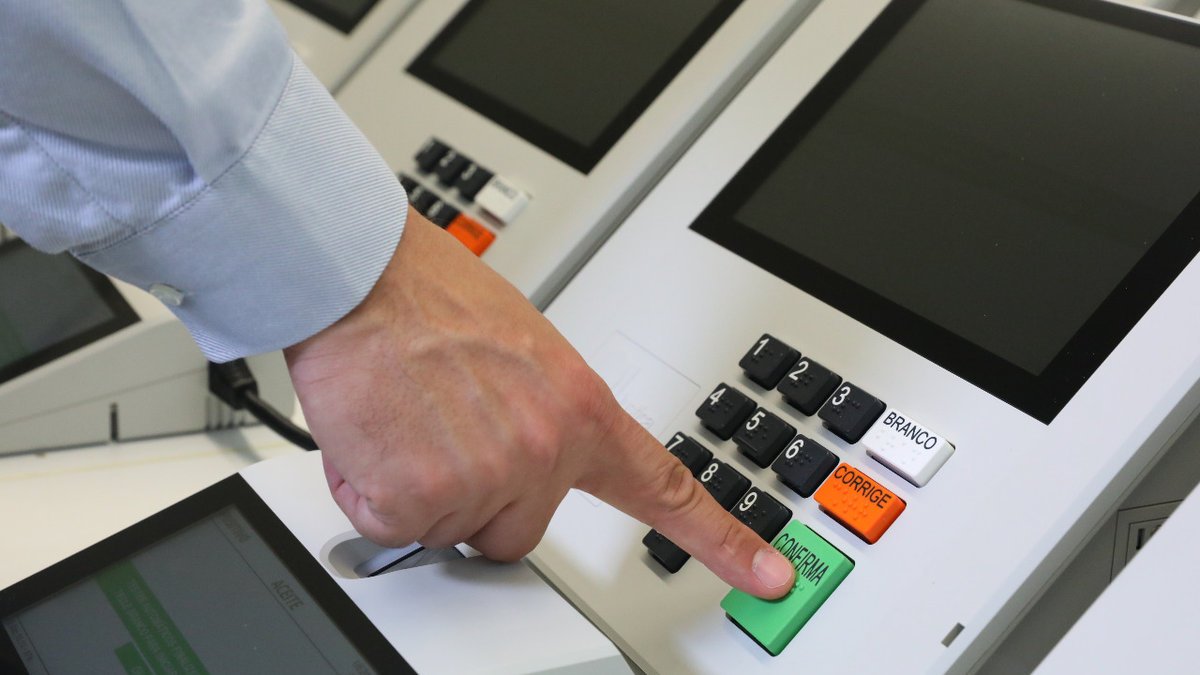
More than 155 million eligible Brazilians headed to the polls across 5,569 municipalities in the first round of the nationwide municipal elections. Citizens cast electronic votes to select mayors, vice-mayors, and city councilors in a massive logistical undertaking overseen by the Superior Electoral Court. The voting concluded without systemic security incidents or voting urn disruptions.
In South America's largest metropolis, São Paulo, voters delivered a razor-thin outcome that sets the stage for a fiercely contested second-round election. Incumbent Mayor Ricardo Nunes of the Brazilian Democratic Movement (MDB) garnered 29.48% of the vote, narrowly finishing ahead of federal deputy Guilherme Boulos of the Socialism and Liberty Party (PSOL), who secured 29.07%.
High-Stakes Mayoral Clash in São Paulo and Electronic Voting Success
Influencer and PRTB candidate Pablo Marçal finished in a close third place with 28.14% of valid ballots, failing to qualify for the runoff after an aggressive and polarizing campaign dominated by social media warfare. The outcome in São Paulo underscores deep ideological divides in the financial capital, mirroring broader national political alignments between moderate conservatives and leftist coalitions.
Across all 26 states, Brazil's established electronic urn system processed tens of millions of ballots within hours after polling stations closed. Superior Electoral Court officials emphasized that biometric identification and modern cybersecurity protocols maintained flawless operational stability throughout voting hours, rejecting misinformation campaigns targeting voting machines.
“The Brazilian electoral system once again demonstrated exemplary transparency, efficiency, and democratic resilience as tens of millions of citizens safely cast electronic ballots nationwide.” — Cármen Lúcia, President of the Superior Electoral Court (TSE)
National Political Trends and Security Across Brazilian Municipalities
Electoral returns revealed significant territorial gains for centrist and right-of-center coalitions, including the Social Democratic Party (PSD) and União Brasil, which captured numerous mayoral seats in medium and large urban centers. President Luiz Inácio Lula da Silva's Workers' Party (PT) achieved moderate gains compared to previous local cycles but faced stiff opposition in major metropolitan hubs.
The final municipal runoff will take place in 52 municipalities with more than 200,000 registered voters where no mayoral candidate secured an absolute majority. Campaigning resumes immediately for the high-stakes showdown in São Paulo, where both contenders will vie aggressively for uncommitted voters and third-place ballots.
Frequently Asked Questions
Who advanced to the mayoral runoff in São Paulo?
Incumbent Mayor Ricardo Nunes (MDB) and federal deputy Guilherme Boulos (PSOL) qualified for the second-round runoff.
How many municipalities held elections in Brazil?
A total of 5,569 municipalities across 26 Brazilian states held municipal elections on October 6, 2024.
Comments (0)
Log in to join the discussion.