
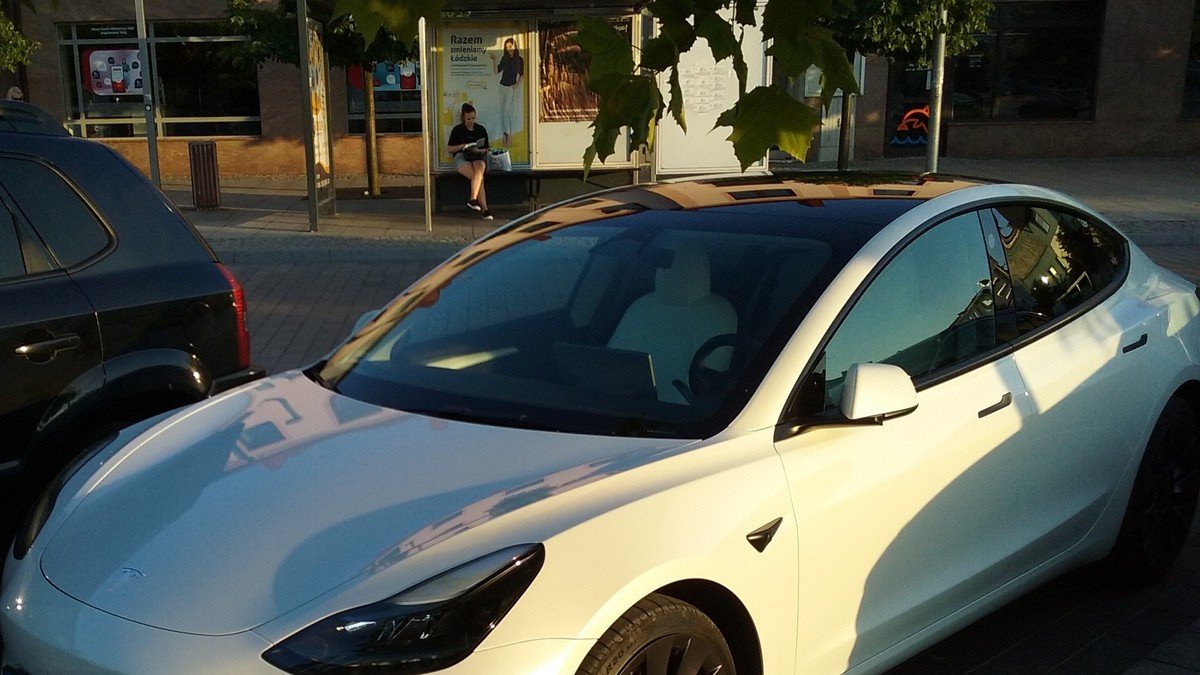
The National Highway Traffic Safety Administration (NHTSA) has launched a comprehensive safety defect investigation covering an estimated 2.4 million Tesla vehicles equipped with the company's Full Self-Driving (FSD) system. The federal inquiry was formally opened by the agency's Office of Defects Investigation after evaluating reports of four distinct collision incidents where Tesla vehicles operating under FSD encountered roadway environments with sharply degraded visibility.
According to regulatory filings released on Friday, one of the four documented incidents resulted in a fatal collision in Rimrock, Arizona, when a 2021 Tesla Model Y operating with FSD engaged fatally struck a pedestrian crossing the roadway. Another collision in the sample involved a reported injury, while two other incidents resulted in severe vehicular property damage after cars struck highway obstructions.
Federal Inquest Follows Fatal Pedestrian Crash in Reduced Visibility
The scope of the investigation encompasses virtually all consumer Tesla models produced between 2016 and 2024 equipped with partial automation packages, including the Model S sedan, Model X SUV, Model 3 compact sedan, Model Y crossover, and the recently launched 2024 Cybertruck pickup. The inquiry represents one of the largest regulatory examinations of commercial driver-assist technology in American history.
Investigators are focusing primarily on the operational boundaries of Tesla's camera-based perception architecture. Unlike rival autonomous driving developers such as Alphabet's Waymo and General Motors' Cruise, which rely on a redundant sensor suite combining lidar, radar, and cameras, Tesla famously eliminated radar hardware in 2021 to rely exclusively on optical cameras and neural network vision algorithms.
“NHTSA will assess the timing and methods with which FSD detects and responds appropriately to reduced roadway visibility conditions, including sun glare, fog, and airborne dust.”
Scrutiny Mounts Over Tesla's Vision-Only Autonomous Driving Strategy
The agency stated that its investigators will review whether additional similar crashes have occurred under FSD engagement, as well as examine any over-the-air software updates Tesla may have deployed that modified FSD behavior in low-visibility circumstances. Federal officials intend to determine if the software provides adequate warnings or hands control back to human drivers when optical sensors become compromised.
The defect probe arrives at a critical juncture for Tesla and its chief executive Elon Musk, who recently showcased autonomous 'Cybercab' robotaxi concepts and reaffirmed plans to roll out unsupervised autonomous driving to passenger vehicles in Texas and California next year. A finding of an unreasonable safety risk could potentially compel an expansive federally mandated recall.

Comments (0)
Log in to join the discussion.