

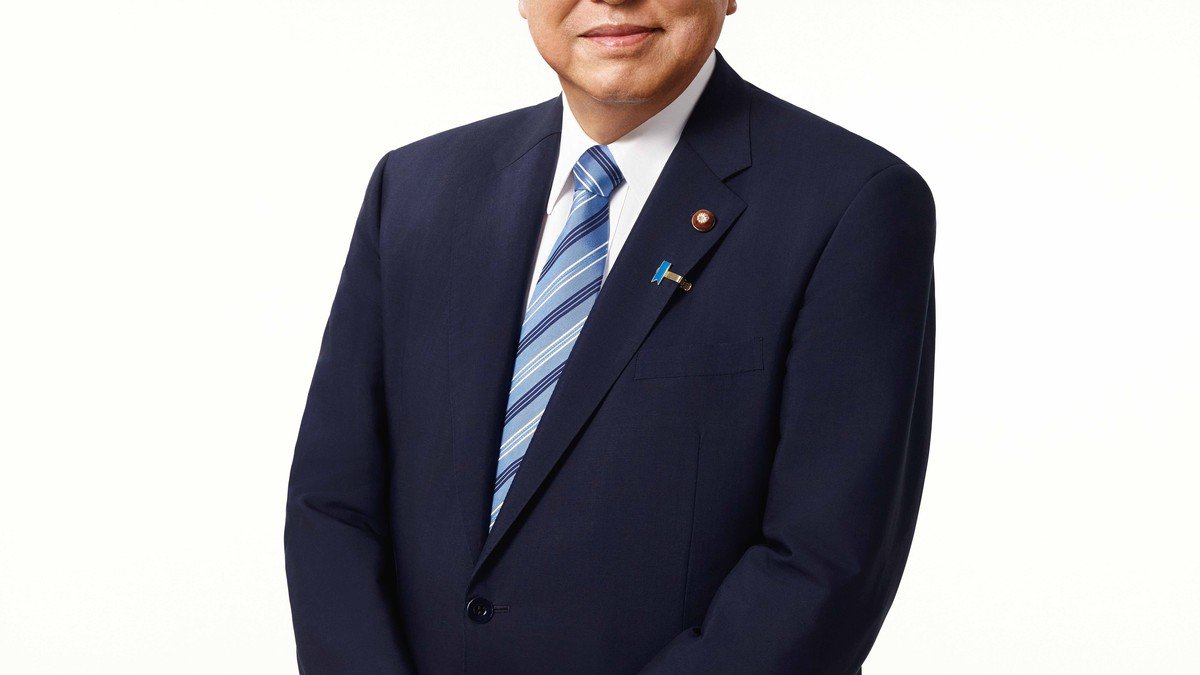
Shigeru Ishiba, a seasoned veteran of Japanese conservative politics and former defense minister, secured victory in the Liberal Democratic Party (LDP) leadership election on Friday afternoon, prevailing in a tightly contested runoff ballot against Economic Security Minister Sanae Takaichi. Ishiba's dramatic triumph marks the culmination of his fifth attempt to capture the party presidency, positioning him to be officially confirmed as Japan's 102nd prime minister when the National Diet convenes an extraordinary session next week.
The leadership contest was triggered by Prime Minister Fumio Kishida's decision to step down following a series of high-profile political fundraising scandals that severely damaged public approval ratings for the ruling coalition. A crowded field of nine contenders competed in the first round of voting, reflecting intense factional fragmentation following the dissolution of several traditional intra-party factions earlier this year.
Dramatic Runoff Secures Fifth Leadership Bid Victory
In the decisive second round, Ishiba captured 215 votes—comprising 189 parliamentarians and 26 prefectural chapter votes—narrowly overcoming Takaichi's 194 votes. Takaichi, a staunch conservative aligned with the legacy of late Prime Minister Shinzo Abe, had led the first-round ballot with strong backing from right-leaning party rank-and-file, but Ishiba forged a decisive coalition among moderate lawmakers and regional representatives during the runoff.
Known for his encyclopedic mastery of national defense, military procurement, and rural agrarian policy, Ishiba has long enjoyed substantial popularity among grassroots party members and the broader Japanese public despite frequent friction with traditional party kingpins. Throughout his campaign, he positioned himself as an independent truth-teller willing to confront entrenched party orthodoxies and implement rigorous financial transparency standards.
“I will devote my entire body and soul to make Japan a safe and secure country where everyone can smile once again, restoring the trust of the Japanese people in politics.”
Policy Priorities: Rural Revival and Regional Security
On domestic economic policy, Ishiba emphasized revitalizing Japan's depopulated regional prefectures through targeted public investment, agricultural modernization, and decentralized industrial planning, arguing that excessive economic concentration in Tokyo weakens national resilience. He also advocated sustained wage growth, gradual monetary normalization by the Bank of Japan, and measures to alleviate rising living costs across working-class households.
On foreign and defense affairs, Ishiba brings decades of specialized experience to Japan's premier diplomatic post amid escalating geopolitical tensions across the Indo-Pacific. While advocating a multilateral security framework in Asia and a more equitable relationship within the United States-Japan security alliance, his immediate priority will involve leading the LDP into an anticipated snap general election to secure a direct mandate from Japanese voters.



Comments (0)
Log in to join the discussion.