

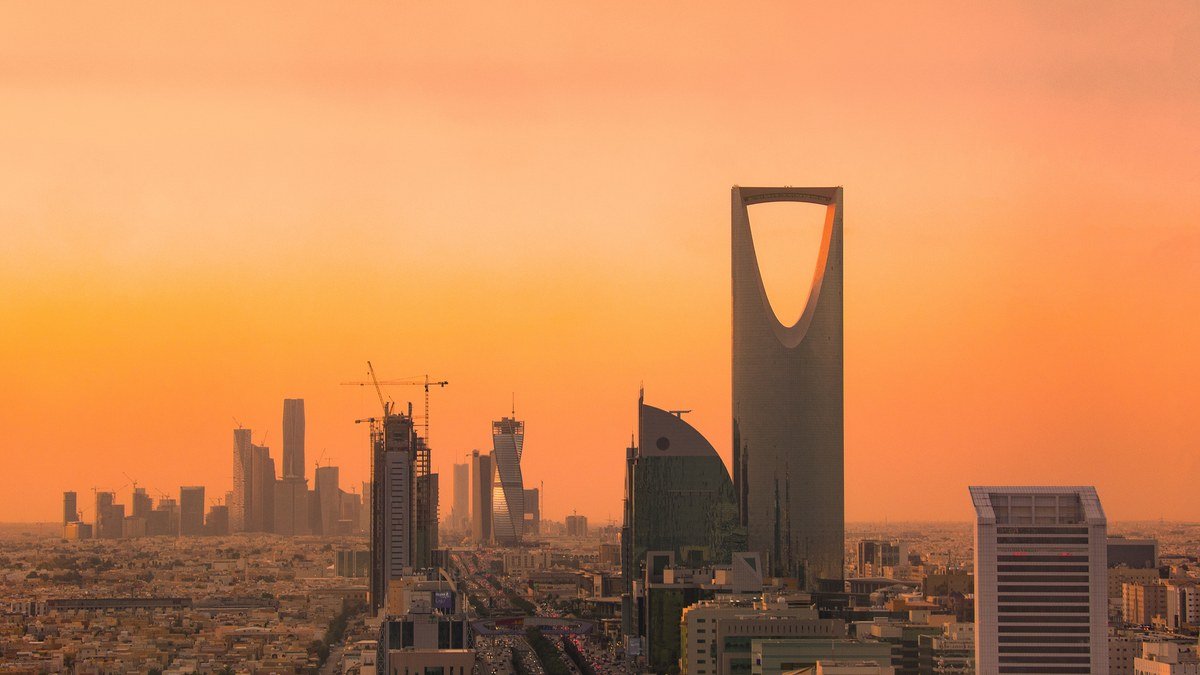
Saudi Arabia's non-oil private sector economy expanded at an accelerating pace in September, according to the latest headline Riyad Bank Saudi Arabia Purchasing Managers' Index (PMI) compiled by S&P Global. The seasonally adjusted index surged to 56.3 in September, up from 54.8 in August, signaling a marked improvement in business operating conditions.
The strong uptick ended a two-month deceleration and pushed the index well above the neutral 50.0 threshold that separates growth from contraction. Surveyed purchasing executives reported that buoyant domestic demand, competitive marketing, and the awarding of major commercial contracts spurred substantial order book growth.
Accelerating New Order Inflows Drive Robust Business Output
Sub-index data revealed that new order intakes reached their highest level since April. Inflows were particularly vigorous in construction, engineering, transport, and wholesale trade, propelled by continuous capital spending on Vision 2030 giga-projects and municipal infrastructure developments across Riyadh and the Western Province.
Responding to surging client commitments, non-oil private enterprises accelerated their hiring pace. Employment numbers grew for the thirty-first consecutive month, with companies expanding staff headcounts to enhance production capacities and manage accumulated business backlogs.
“The September PMI findings underscore remarkable non-oil economic momentum across Saudi Arabia, powered by domestic investment demand, expanding customer bases, and stable input cost pressures.” — Naif Al-Ghaith, Chief Economist at Riyad Bank
Job Creation Expands Alongside Stable Input Price Pressures
Encouragingly for macroeconomic planners, the brisk pickup in operational activity occurred alongside manageable inflation. While purchase prices increased due to raw material and logistics costs, average selling charges rose at a modest pace as firms sought to maintain competitive pricing power.
Looking ahead, sentiment among Saudi non-oil firms regarding the 12-month business outlook remained overwhelmingly optimistic. Corporate leaders expressed confidence that domestic diversification initiatives, tourism expansion, and sustained government infrastructure disbursements will ensure resilient commercial tailwinds into 2025.
Frequently Asked Questions
What was the Saudi Arabia non-oil PMI reading for September?
The headline seasonally adjusted Riyad Bank Saudi Arabia PMI rose to 56.3 in September from 54.8 in August.
What primary factors drove the improvement in business activity?
Growth was driven by a sharp rebound in new orders, increased private sector hiring, and Vision 2030 project investments.
Comments (0)
Log in to join the discussion.