

In a development that has sent shockwaves through the global technology sector, mobile chip architecture titan Qualcomm Inc. has approached rival Intel Corp. in recent days to explore a potential takeover of the storied Silicon Valley semiconductor pioneer. The preliminary outreach, first reported by The Wall Street Journal and verified by industry sources, represents an audacious bid to capitalize on Intel's steepest corporate downturn in its five-decade history.
While discussions remain at an exploratory stage and may not culminate in a formal tender offer, the prospect of combining two of America's most influential microchip designers would represent the largest technology corporate buyout ever attempted, easily eclipsing Microsoft's $69 billion acquisition of Activision Blizzard.
Audacious Move on a Silicon Valley Pioneer
Intel, long the undisputed king of personal computer and server microprocessors, has suffered severe operational and financial setbacks over the past three years. The Santa Clara-based company has bled market share to Advanced Micro Devices (AMD) in data centers, lost out almost entirely on the smartphone revolution, and failed to capitalize on the initial boom in specialized generative AI accelerators dominated by Nvidia.
Last month, Intel CEO Pat Gelsinger unveiled drastic restructuring measures, including the suspension of its historic dividend, 15,000 workforce layoffs, and the operational separation of its foundry manufacturing division. Qualcomm, which commands near-total dominance in mobile smartphone processors and is aggressively pushing into PC silicon with its Snapdragon X Elite chips, sees a rare opportunity to absorb Intel's formidable PC and enterprise server client base.
“A combination of Qualcomm and Intel would fundamentally reshape the global semiconductor supply chain, but navigating antitrust reviews across multiple continents presents an extraordinary hurdle.”
Antitrust Scrutiny and Foundry Fabrication Dilemma
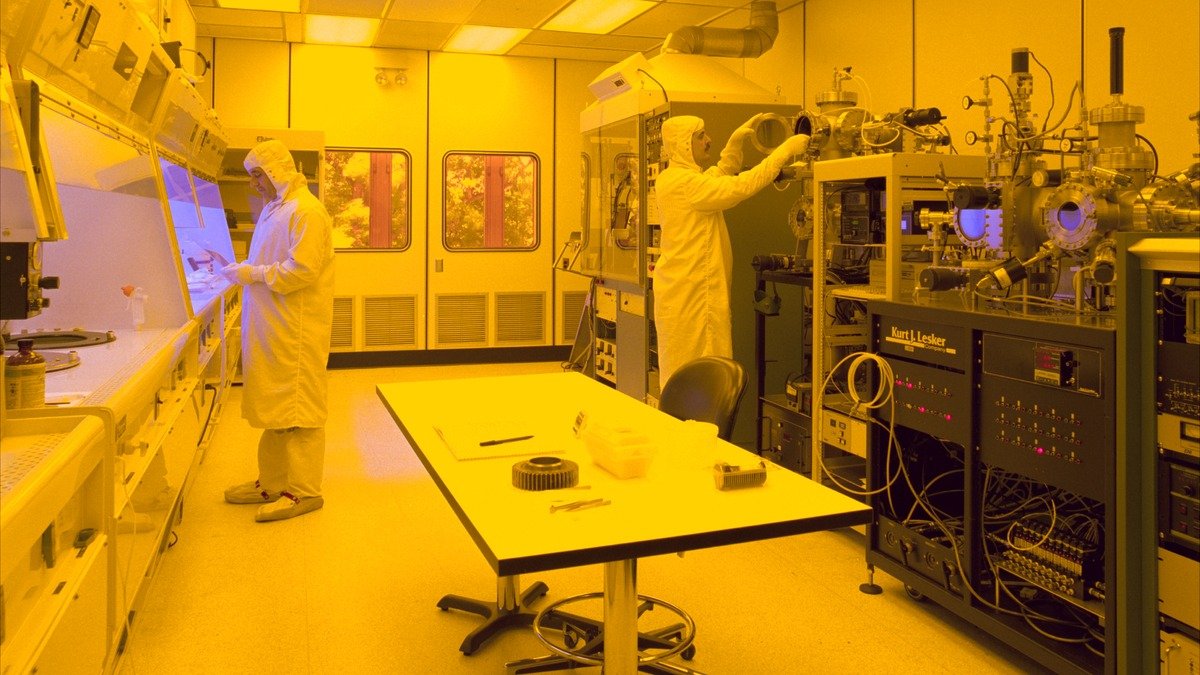
However, industry analysts warn that the financial, technological, and regulatory barriers facing a merger are staggering. Qualcomm operates as a fabless designer that outsources all manufacturing to Taiwan Semiconductor Manufacturing Co. (TSMC), whereas Intel maintains a sprawling, capital-intensive global network of wafer fabrication plants currently burning billions in operating capital.
Moreover, regulatory authorities in the United States, European Union, and China would undoubtedly subject the transaction to exhaustive scrutiny. Beijing, which has previously blocked or delayed cross-border semiconductor deals amid ongoing geopolitical tech tensions, could view a united American chip giant as a direct national security impediment.


Comments (0)
Log in to join the discussion.