

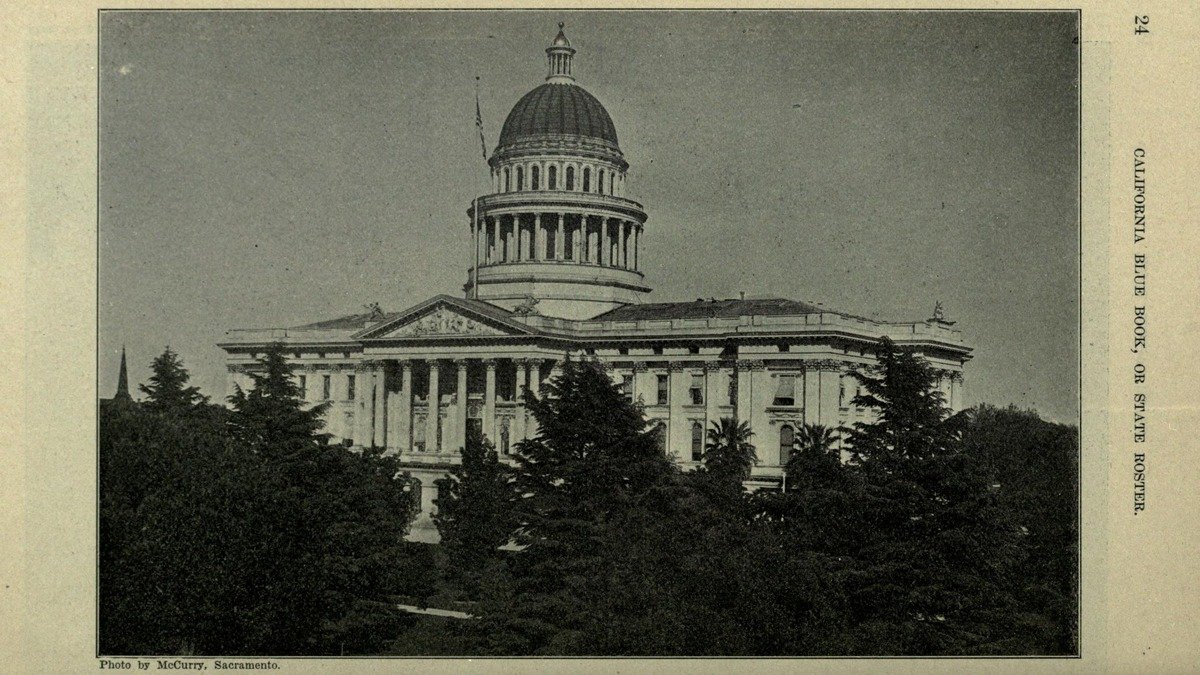
California Governor Gavin Newsom has enacted Senate Bill 942, known as the California AI Transparency Act, establishing the nation's most stringent disclosure requirements for artificial intelligence companies generating audio, image, and video content. The legislation targets large generative AI developers operating within or serving residents of the world's fifth-largest economy.
Under the new statute, any covered AI provider with more than one million monthly active users must embed both visible disclosures and invisible, tamper-resistant digital watermarks into all synthetic content generated by their systems. These watermarks must encode essential provenance data, including the name of the AI service, creation timestamp, and unique identifier.
Mandatory Provenance Metadata and Free Consumer Verification
In addition to embedding metadata, platforms are legally mandated to furnish a free, easily accessible online verification tool. Any consumer or investigator will be able to upload a piece of media to verify whether it was produced or altered using the provider's specific models, without paying subscription fees or surrendering sensitive personal data.
The signing comes as California lawmakers pass a flurry of complementary measures designed to regulate algorithmic technologies before the federal government acts. Earlier this week, Newsom signed AB 2655 and AB 2839 to curb deceptive election-related deepfakes, as well as landmark labor protections safeguarding actors and voice performers against unconsented digital cloning.
“While generative AI holds tremendous promise, the proliferation of deceptive deepfakes threatens democratic discourse and trust. California is leading the nation in demanding transparency and consumer accountability.”
Setting the National Precedent for Silicon Valley AI Governance
Tech industry associations, including the Software & Information Industry Association, offered measured support for SB 942, noting that its watermarking obligations align broadly with industry-led initiatives like the Coalition for Content Provenance and Authenticity (C2PA). However, open-source AI advocates cautioned that compliance costs could pose barriers to non-commercial model maintainers.
Regulatory oversight will be spearheaded by the California Department of Justice, with non-compliant firms facing civil penalties of up to $5,000 per violation per day. The law takes full operational effect in 2026, setting a benchmark likely to influence European Union compliance frameworks and impending federal deliberations.


Comments (0)
Log in to join the discussion.