

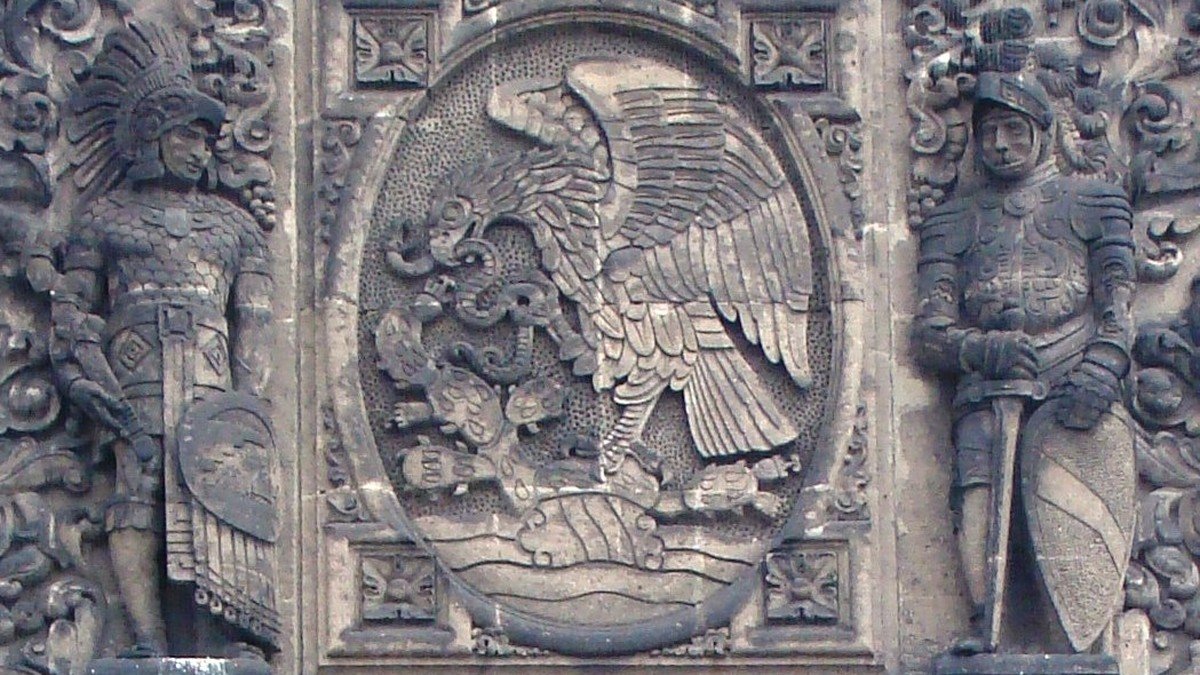
Outgoing Mexican President Andrés Manuel López Obrador brought an extraordinary era of political communication to a close, hosting his emotional final daily morning press conference—known universally as the 'mañanera'—at the historic National Palace in Mexico City. After six years and nearly 1,400 dawn briefings, the veteran leftist leader prepared to hand over power to his close political protégée, President-elect Claudia Sheinbaum.
Addressing a packed Treasury Hall filled with domestic journalists, international correspondents, and emotional cabinet members, López Obrador used his final podium appearance to sign two landmark constitutional reforms into law. Most notably, he enacted the decree formally placing the 130,000-member National Guard under the administrative and operational control of the Secretariat of National Defense (Sedena).
Signing Final Constitutional Decrees at the Treasury Hall
The president also signed a constitutional reform strengthening the legal rights, self-determination, and cultural protections of Mexico's indigenous and Afro-Mexican communities, fulfilling a long-standing pledge from the outset of his political career. Opponents had criticized the militarization of public security, but López Obrador vigorously defended the move as essential to prevent corruption.
Throughout the two-hour broadcast, which featured live traditional music and a celebratory atmosphere, López Obrador reflected on his administration's 'Fourth Transformation' agenda. He highlighted his social welfare programs, including universal pensions for seniors and major infrastructure projects like the Maya Train and the Dos Bocas refinery.
“I leave office with a clear conscience and profound gratitude to the Mexican people. Our transformation has empowered the forgotten and handed our nation into capable, honest hands.” — Andrés Manuel López Obrador, President of Mexico
A Revolutionary Communication Style Yields to Sheinbaum's Mandate
López Obrador spoke with deep affection about Claudia Sheinbaum, the former Mexico City mayor who won a landslide presidential victory in June to become the country's first female head of state. He described her as extraordinarily intelligent, incorruptible, and thoroughly prepared to deepen the social transformations of the country.
Insisting that he will completely retire from public life to his ranch in Palenque, Chiapas, López Obrador concluded the conference with traditional tamales and farewell embraces for the press corps. The transition marks a watershed moment in Latin American politics as Sheinbaum assumes the presidency with a decisive legislative majority.
Frequently Asked Questions
What decrees did President López Obrador sign during his final mañanera?
He signed constitutional reforms transferring the National Guard to the military (Sedena) and expanding the rights of indigenous and Afro-Mexican communities.
Who is succeeding López Obrador as President of Mexico?
He is succeeded by President-elect Claudia Sheinbaum, the former mayor of Mexico City and the country's first female president.
Comments (0)
Log in to join the discussion.