

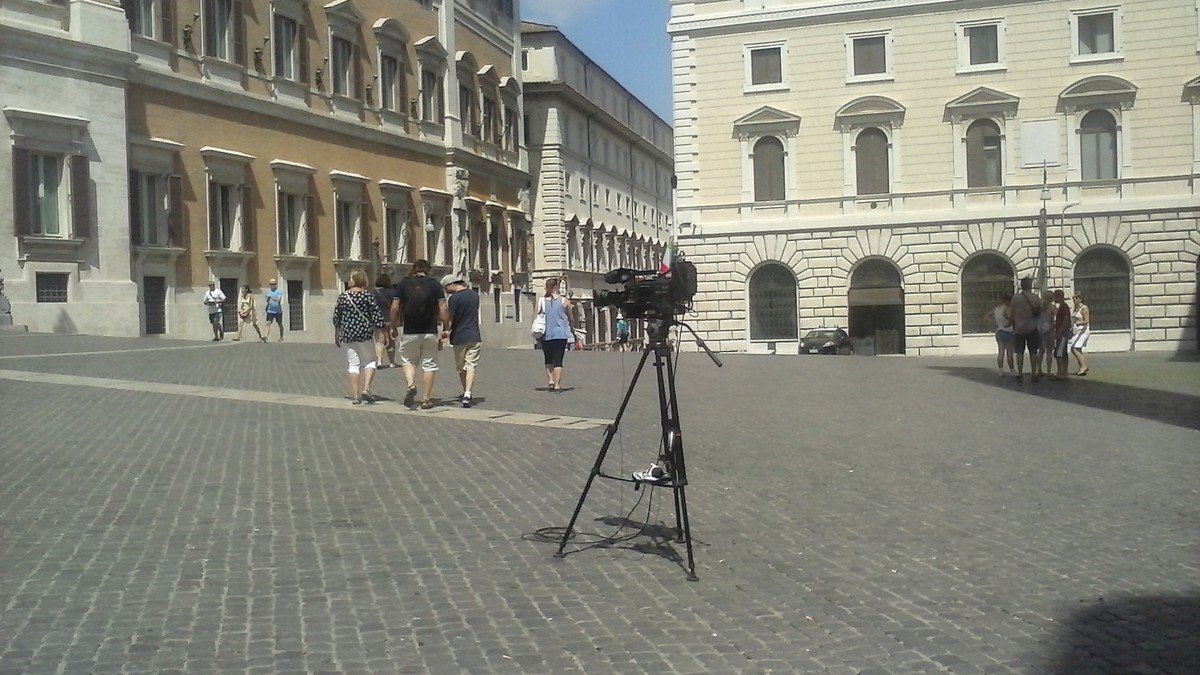
The Italian Council of Ministers, presided over by Prime Minister Giorgia Meloni, has formally approved the nation's Medium-Term Fiscal Structural Plan (Piano Strutturale di Bilancio di Medio Termine, or PSB). Submitted to the Italian Parliament ahead of transmission to the European Commission, the multi-year blueprint establishes binding budgetary targets aimed at restoring fiscal discipline and reducing Rome's sovereign deficit beneath European Union regulatory ceilings.
Under the new fiscal governance framework ratified by the EU earlier this year, Italy committed to limiting net primary expenditure growth to an average of roughly 1.5 percent annually over a seven-year adjustment horizon. This calculated spending restraint is projected to shrink Italy's budget deficit from an estimated 3.8 percent of gross domestic product (GDP) in 2024 down to 3.3 percent in 2025.
Fiscal Discipline Anchors Strategy to Escape Brussels' Deficit Sanctions
By 2026, the Meloni administration projects the deficit will drop to 2.8 percent of GDP, successfully crossing below the EU's 3.0 percent Maastricht treaty threshold. Achieving this milestone would allow Italy to formally exit the Excessive Deficit Procedure (EDP) initiated by the European Commission following pandemic-era and energy subsidy spending sprees.
Economy and Finance Minister Giancarlo Giorgetti emphasized that fiscal consolidation will not derail vital public investments outlined in the National Recovery and Resilience Plan (PNRR). Instead, the plan combines expenditure reviews across government ministries with targeted structural reforms to enhance labor productivity and tax compliance.
“Our structural budget strategy proves that fiscal responsibility and economic growth are mutually reinforcing, charting a steady path toward removing Italy from EU deficit procedures.” — Giancarlo Giorgetti, Minister of Economy and Finance of Italy
Balancing Growth Incentives Against Massive Public Debt Pressures
Despite positive fiscal trajectories, Italy's towering public debt, which hovers around 137 percent of GDP, remains a critical vulnerability. The government projects that debt-to-GDP ratios will stabilize before embarking on a downward trajectory late in the decade as temporary fiscal incentives, notably the costly Superbonus building tax deduction, expire completely.
Parliamentary committees in Rome are scheduled to debate and vote on the fiscal structural plan in early October before its formal submission to Brussels. European financial markets responded with steady bond spreads, reflecting growing international investor confidence in Italy's pragmatic fiscal governance.
Frequently Asked Questions
What are Italy's key deficit reduction targets in the Medium-Term Fiscal Plan?
Italy plans to reduce its budget deficit to 3.3% of GDP in 2025 and to 2.8% in 2026, falling below the EU's 3.0% threshold.
What expenditure cap has the Italian government committed to under the plan?
Net primary expenditure growth will be capped at an average of approximately 1.5% per year over the adjustment horizon.


Comments (0)
Log in to join the discussion.