

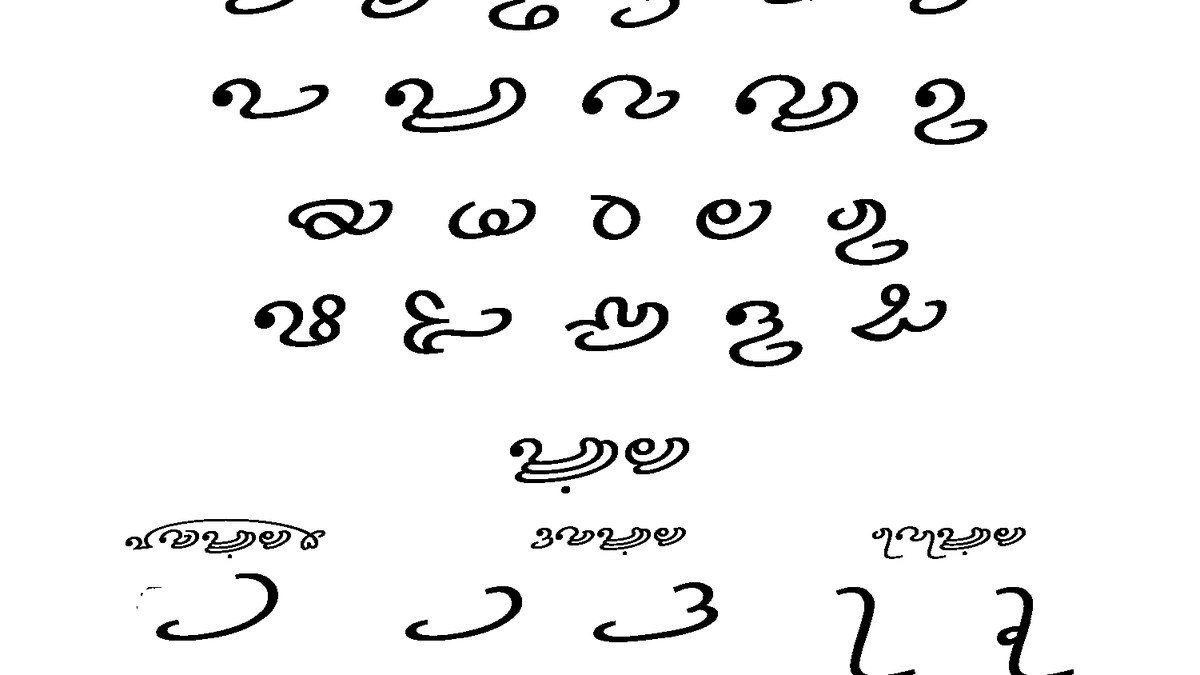
The Union Cabinet chaired by Prime Minister Narendra Modi approved a landmark resolution on Thursday conferring the coveted 'Classical Language' status upon five historic Indian languages: Marathi, Bengali, Assamese, Pali, and Prakrit. The unanimous decision expands the country's roster of classical tongues from six to eleven.
Prior to this decision, only Tamil, Sanskrit, Telugu, Kannada, Malayalam, and Odia held classical status, which requires an antiquity of recorded history and literary texts exceeding 1,500 to 2,000 years, high civilizational value, and an original literary tradition not borrowed from another speech community.
Centuries of Literary Heritage Recognized at the Highest Level
The elevation of Bengali honors rich traditions spanning ancient Charyapada poetry through world-renowned literary triumphs. Marathi's recognition celebrates profound spiritual and philosophical literature dating to early epigraphic records, while Assamese boasts a deep literary legacy rooted in Charyapada and the 14th-century works of Madhava Kandali.
Pali and Prakrit represent foundational vehicles of ancient philosophical discourse, having preserved primary canonical texts of Buddhism and Jainism as well as Royal Ashokan edicts that shaped civilizational ethics across South and East Asia.
“Conferring Classical Language status upon Marathi, Bengali, Assamese, Pali, and Prakrit honors the civilizational depth, philosophical wisdom, and literary genius of our linguistic ancestors.” — Narendra Modi, Prime Minister of India
Institutional Support and Central Research Centres of Excellence
Official classical recognition provides institutional and financial backing from the central government. Benefits include the establishment of two major annual international awards for scholars, dedicated Central Centres of Excellence for linguistic studies, and dedicated university chairs funded by the Ministry of Education.
Cultural organizations, regional literary societies, and state leaders nationwide welcomed the cabinet decision as a moment of cultural revitalization. Academics noted that the inclusion will spark new research into comparative linguistics, digital manuscript archiving, and language preservation.
Frequently Asked Questions
Which five languages received Classical Language status in the latest decision?
The Union Cabinet approved Classical Language status for Marathi, Bengali, Assamese, Pali, and Prakrit.
How many classical languages are now officially recognized in India?
With the addition of these five languages, India now officially recognizes eleven classical languages.

Comments (0)
Log in to join the discussion.