


Enterprise investment in artificial intelligence has entered an unprecedented expansion phase, with worldwide AI-related spending on track to reach $2.7 trillion by the end of 2026, according to a landmark market assessment published today by technological research firm Gartner. The projected figure represents a 49.5 percent increase over 2025 expenditures, driven by rapid migration from exploratory pilot projects to mission-critical production deployments.
The primary catalyst behind this multi-hundred-billion-dollar surge is the maturation of agentic AI architectures. Unlike conversational chatbots that generate passive text responses, autonomous software agents are designed to reason across complex business environments, coordinate external application programming interfaces (APIs), and complete multi-step operational tasks without continuous manual oversight.
Where the Capital Is Flowing
According to the analysis, corporate budgets are heavily skewed toward high-performance computing clusters, customized neural accelerators, and robust data hygiene pipelines. Software vendors that fail to incorporate proactive agency into their products risk immediate enterprise churn as organizations prioritize platforms that deliver measurable labor hours saved.
| Spending Category | 2026 Projected Volume | YoY Growth Rate | Key Technology Drivers |
|---|---|---|---|
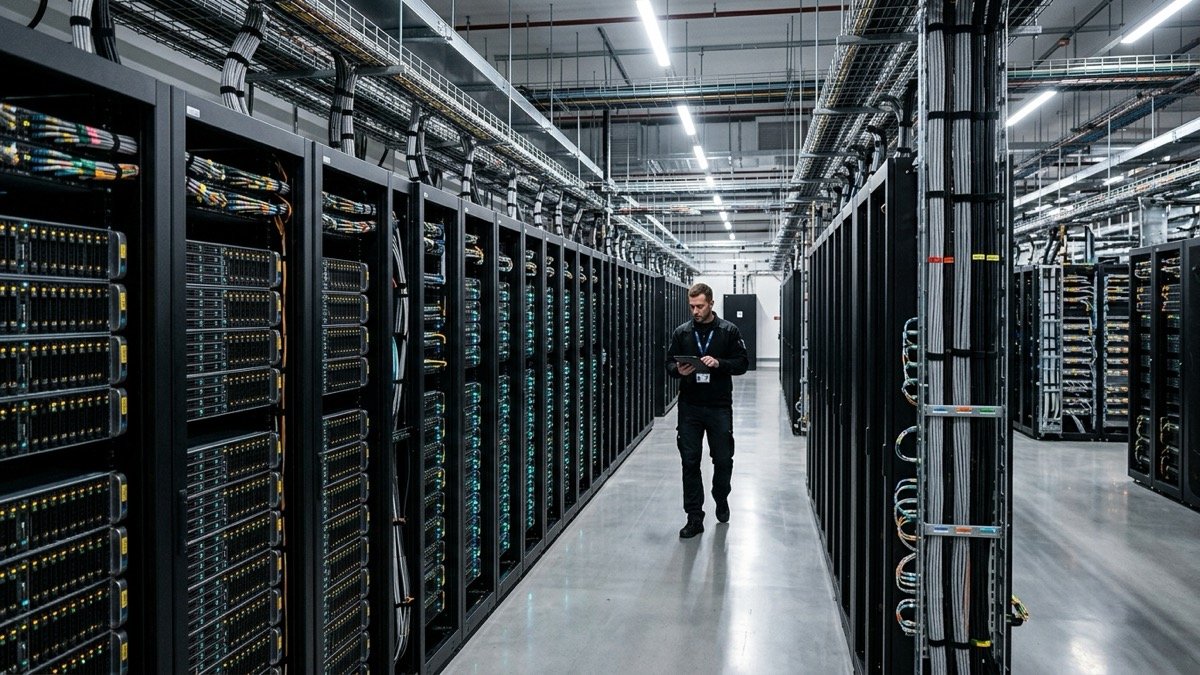
| AI Data Center & Cloud Compute | $1.12 Trillion | +58.2% | Next-gen GPU clusters, liquid cooling, grid substations |
| Agentic Enterprise Applications | $740 Billion | +64.1% | ERP workflows, automated procurement, customer operations |
| Custom AI Silicon & Accelerators | $510 Billion | +38.4% | In-house inference ASICs, high-bandwidth memory (HBM4) |
| AI Governance, Security & Compliance | $330 Billion | +41.7% | Guardrail verification, red-teaming, audit compliance tools |
The Shift from Passive AI to Autonomous Execution
Gartner analysts noted that by the close of 2026, approximately 40 percent of core enterprise applications will feature embedded autonomous agent capabilities, up from fewer than 5 percent two years prior. Chief Information Officers (CIOs) surveyed indicated that productivity gains from automated invoice reconciliation, code refactoring, and supply chain inventory forecasting are delivering direct returns on investment that justify sustained capital expenditure.
Nonetheless, the report cautioned that energy constraints remain the single largest bottleneck to long-term scalability. Commercial data centers are increasingly contracting directly with nuclear and advanced renewable energy operators to secure reliable base-load power as mega-wattage requirements per rack continue to escalate.


Comments (0)
Log in to join the discussion.