

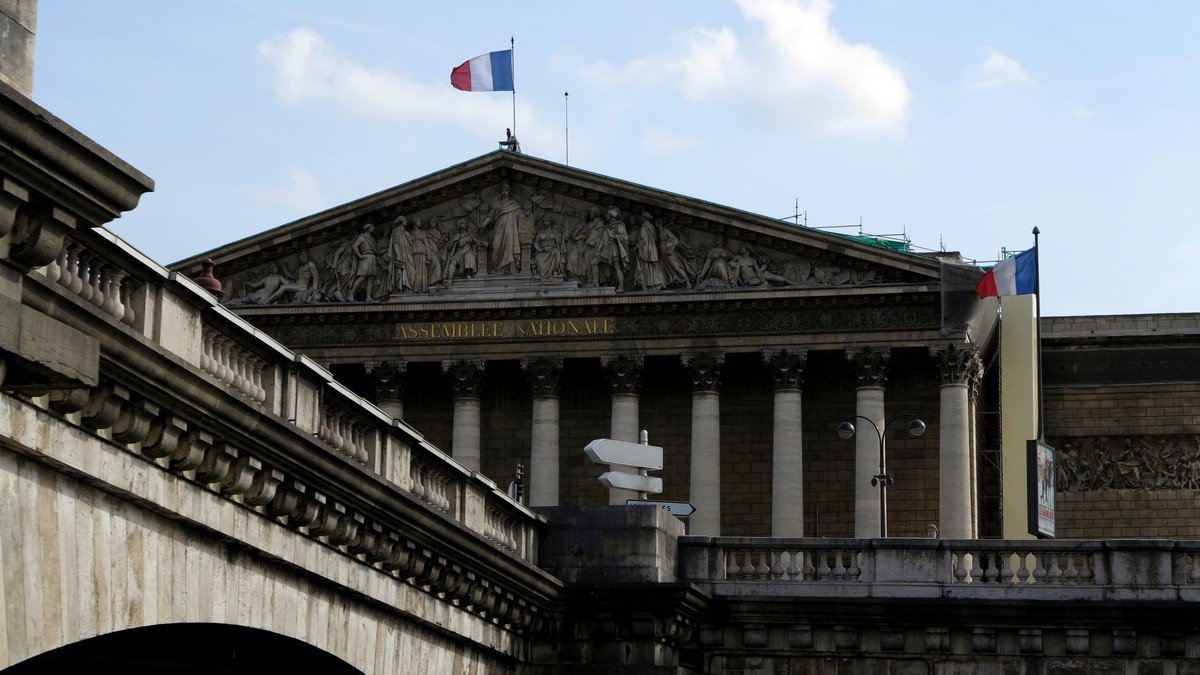
French Prime Minister Michel Barnier delivered his long-awaited general policy speech before the National Assembly on Tuesday, presenting a stark assessment of the country's public finances and detailing a massive €60 billion fiscal consolidation program. Appointed by President Emmanuel Macron to resolve months of political deadlock following snap elections, the veteran conservative statesman framed fiscal discipline as France's foremost patriotic duty.
Under Barnier's roadmap, the French government aims to reduce its public deficit to 5 percent of gross domestic product by 2025, down from an alarming forecast exceeding 6 percent for the current fiscal year. The ultimate objective is to bring France back within the European Union's statutory 3 percent ceiling by 2029, two years later than initially projected by the previous administration.
Taxing Large Corporations and Curtailing State Expenditure
Roughly two-thirds of the adjustment—approximately €40 billion—will come from reductions in state expenditure across various ministries, health insurance schemes, and local authority transfers. The remaining €20 billion will be generated through targeted, exceptional tax levies applied to large corporations making extraordinary profits and the nation's wealthiest individual taxpayers.
Barnier insisted that ordinary middle-class workers and small businesses would be insulated from tax hikes, emphasizing that fiscal effort must be distributed fairly. In addition to budgetary tightening, he signaled a willingness to review and adjust controversial elements of Macron's pension overhaul, specifically addressing arduous labor conditions.
“Our colossal national debt is a sword of Damocles hanging over the head of our nation. Restoring fiscal control is not a partisan choice; it is an urgent national necessity.” — Michel Barnier, Prime Minister of France
Parliamentary Fragility and Looming Censure Votes
The legislative path forward is fraught with extreme peril. Barnier's minority government commands only a fragile coalition of centrists and center-right Republicans, lacking an absolute majority in the deeply polarized 577-seat chamber. The left-wing New Popular Front alliance immediately announced plans to table a motion of no confidence against the government.
Consequently, the survival of Barnier's cabinet depends largely on the tacit neutrality of Marine Le Pen's far-right National Rally. While Le Pen refrained from immediately backing censure, she warned that her faction would judge the budget line by line, setting the stage for a tense autumn of parliamentary showdowns.
Frequently Asked Questions
What is the total value of Michel Barnier's fiscal austerity plan?
The fiscal adjustment package totals €60 billion, combining €40 billion in spending cuts and €20 billion in targeted taxes.
What deficit targets does the French government aim to meet?
Barnier plans to reduce the public deficit to 5% of GDP in 2025, reaching the EU's 3% limit by 2029.



Comments (0)
Log in to join the discussion.