

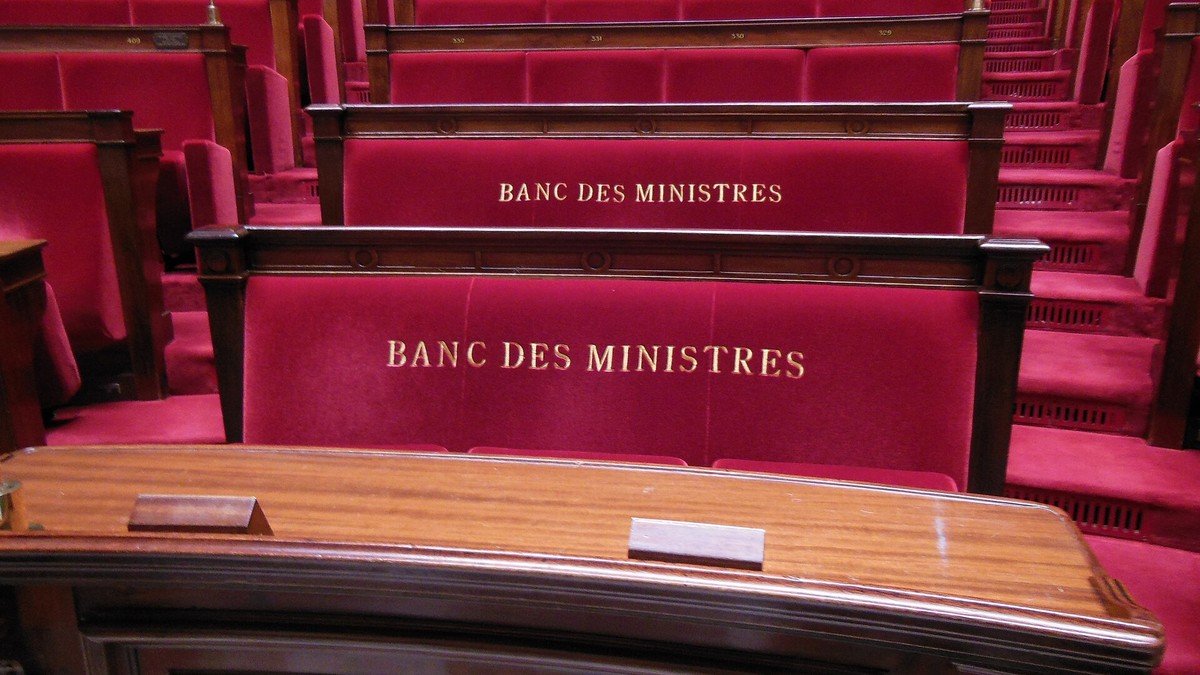
French Prime Minister Michel Barnier on Tuesday comfortably survived the first motion of no confidence brought against his fragile government in the National Assembly, securing a vital political reprieve ahead of brutal legislative negotiations over the 2025 budget.
The motion of censure, tabled by the left-wing New Popular Front coalition to protest President Emmanuel Macron's appointment of a conservative prime minister following summer snap elections, gathered only 197 votes, well shy of the 289 required to topple the executive.
Left-Wing Censure Motion Defeated at Palais Bourbon
The survival of the minority government was guaranteed after Marine Le Pen's far-right National Rally and its conservative allies abstained from the vote, opting to act as tacit arbiters while warning that their parliamentary tolerance remains contingent on policy concessions.
Addressing deputies before the ballot, Barnier defended his democratic legitimacy and reiterated that his administration must tackle France's ballooning public deficit, which is projected to surpass six percent of gross domestic product this year.
“I took office to serve our nation in a spirit of dialogue and fiscal responsibility. Our priority remains passing a rigorous 2025 budget to control public debt.” — Michel Barnier, Prime Minister of France
Fragile Coalition Faces High-Stakes 2025 Budget Battle
Barnier's draft 2025 budget seeks sixty billion euros in deficit reduction through forty billion euros in public spending cuts and twenty billion euros in temporary tax surcharges on high earners and large corporations.
While Tuesday's outcome allows the prime minister to maintain his cabinet, political analysts note that Barnier remains perpetually vulnerable to future no-confidence motions whenever opposition parties decide to unite against specific budgetary austerity measures.
Frequently Asked Questions
How many votes were needed to topple Michel Barnier's government?
An absolute majority of 289 votes in the 577-seat National Assembly was required to pass the motion.
Why did Marine Le Pen's National Rally abstain from voting?
The National Rally decided to give the government time to present its budget, keeping leverage over key policy demands.



Comments (0)
Log in to join the discussion.