
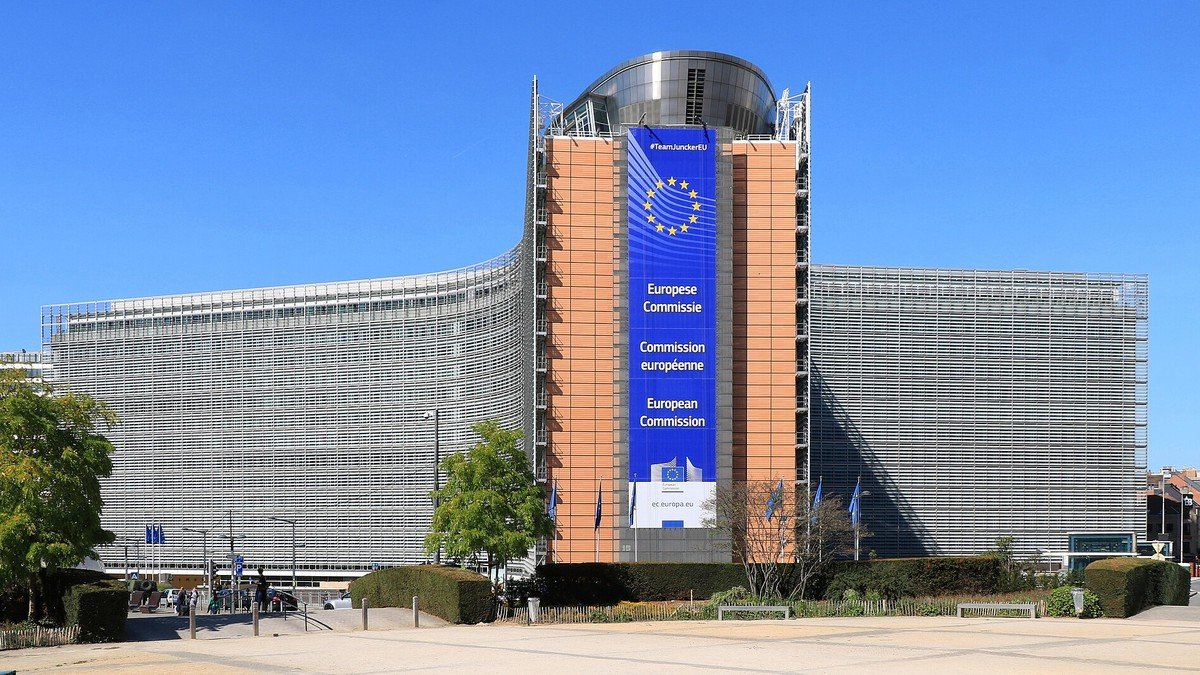
France and Germany presented an ambitious joint strategic paper to European Union trade ministers gathering in Brussels on Monday, calling for a comprehensive overhaul of the bloc's commercial defense architecture. The Franco-German initiative urges the European Commission to implement a rapid-response trade defense mechanism designed to shield European industries from distortive state subsidies and unfair foreign trading practices.
Under current EU regulatory frameworks, formal anti-dumping and anti-subsidy investigations often require between twelve and fourteen months before provisional countervailing duties can be enforced. The joint proposal argues that such protracted timelines allow foreign competitors backed by aggressive state subsidies to capture dominant market shares and decimate vulnerable European manufacturing ecosystems before defensive measures take effect.
Franco-German Joint Strategy Paper Unveiled in Brussels
The paper outlines specific recommendations to compress investigation timelines by half, enabling the Commission to initiate accelerated ex-officio inquiries and impose emergency provisional duties within four to six months. The proposed mechanism prioritizes strategic decarbonization sectors, including electric vehicles, solar panel production, wind turbines, heat pumps, and green steel manufacturing.
French Economy Minister Antoine Armand and German Vice Chancellor and Economy Minister Robert Habeck emphasized that European openness must not come at the expense of industrial sovereignty. The ministers underscored that while the EU remains firmly committed to multilateral rules-based commerce, it can no longer tolerate asymmetric market conditions created by massive industrial subsidies in Asia and North America.
“Europe must shed its naivety in international trade. We are calling for agile, rapid-response defensive trade tools to ensure our companies compete on a genuinely level playing field against subsidized foreign competitors.” — Antoine Armand, Minister of Economy and Finance of France
Accelerated Anti-Dumping Inquiries and Strategic Sector Safeguards
The joint proposal also advocates modernizing the EU's Foreign Subsidies Regulation and streamlining administrative burdens on European companies submitting trade defense petitions. By lowering the threshold of proof required to trigger preliminary reviews, smaller European manufacturers would gain practical access to legal protections previously accessible only to well-funded multinational corporations.
European Trade Commissioner Valdis Dombrovskis welcomed the initiative, confirming that the European Commission will evaluate the proposals as part of its forthcoming European Competitiveness and Trade Defense review. EU member state delegations expressed broad backing for strengthening trade defenses, with formal deliberations scheduled ahead of the European Council summit in December.
Frequently Asked Questions
What is the primary objective of the Franco-German trade proposal?
The proposal aims to create a rapid-response trade mechanism to quickly counter subsidized foreign imports.
Which industrial sectors are prioritized in the proposal?
The framework prioritizes clean technologies, electric vehicles, solar equipment, and green steel.
Comments (0)
Log in to join the discussion.