

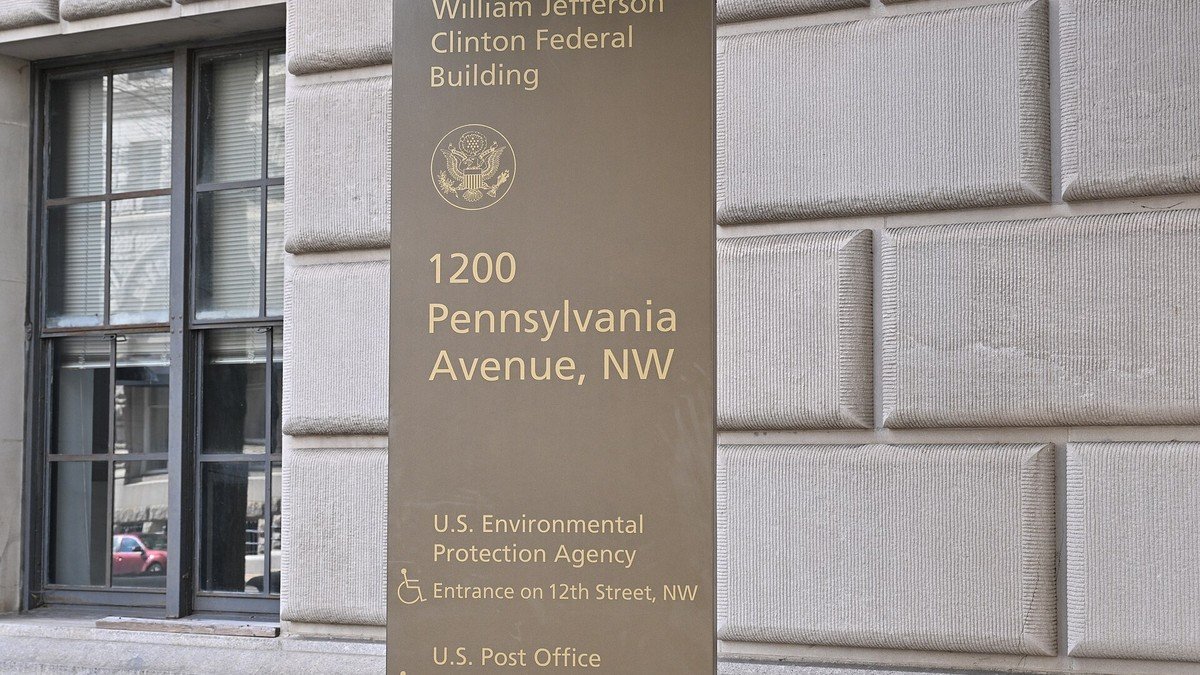
The Environmental Protection Agency on Tuesday finalized a landmark regulation requiring drinking water systems across the United States to identify and completely replace all lead service lines within 10 years, a historic public health mandate aimed at ending the scourge of toxic lead poisoning in American communities.
The finalized Lead and Copper Rule Improvements (LCRI) establish strict new federal mandates for approximately 68,000 community water systems nationwide, which must begin replacing legacy lead pipes that carry drinking water into an estimated nine million homes, schools, and daycares.
Decade-Long Mandate to Eliminate Toxic Drinking Water Infrastructure
In addition to the mandatory replacement schedule, the rule lowers the action level for lead in drinking water from 15 parts per billion to 10 parts per billion. Utilities exceeding that benchmark will be legally required to implement corrosion control treatments and distribute certified water filters directly to consumers.
Medical and public health authorities have long established that there is no safe level of lead exposure for children, with ingestion causing irreversible damage to cognitive development, attention deficits, and chronic kidney disease in adults. The new rule represents the most aggressive overhaul of lead drinking water standards in more than three decades.
“We know lead is a potent neurotoxin with no safe exposure level for children. Today, we are putting an end to lead-contaminated drinking water once and for all.” — Michael S. Regan, Administrator of the Environmental Protection Agency
Stricter Tap Testing Standards and Billions in Federal Funding
To help municipal utilities and underserved communities meet the ten-year deadline, EPA Administrator Michael Regan announced $2.6 billion in newly available drinking water funding from the Bipartisan Infrastructure Law, adding to an unprecedented $15 billion federal commitment specifically dedicated to lead line replacement.
Environmental justice advocates and civil rights leaders hailed the rule as a transformative victory, particularly for older industrial cities and marginalized neighborhoods that have suffered disproportionate burdens from aging infrastructure since the Flint water crisis brought national attention to the issue.
Frequently Asked Questions
What does the new EPA lead pipe rule require?
It requires all US community water systems to locate and replace every lead service line within 10 years and lowers the lead action threshold to 10 parts per billion.
How is the replacement of lead pipes being funded?
The federal government is providing $15 billion through the Bipartisan Infrastructure Law, plus an additional $2.6 billion in newly allocated EPA grant funding.



Comments (0)
Log in to join the discussion.