

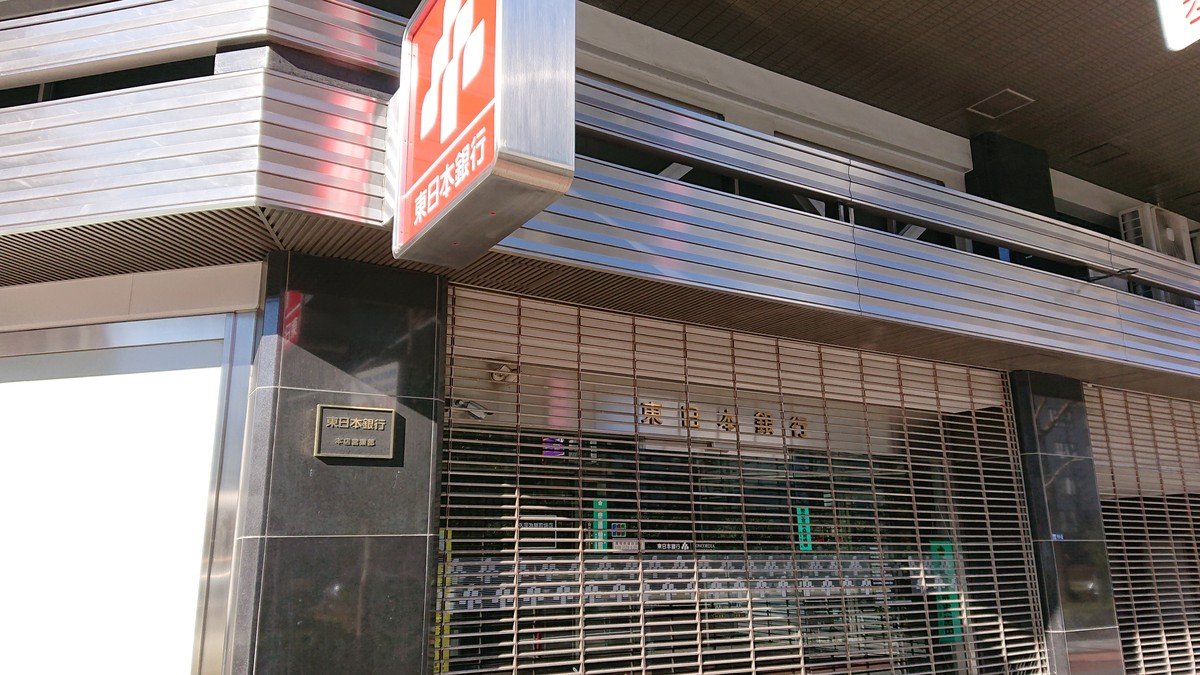
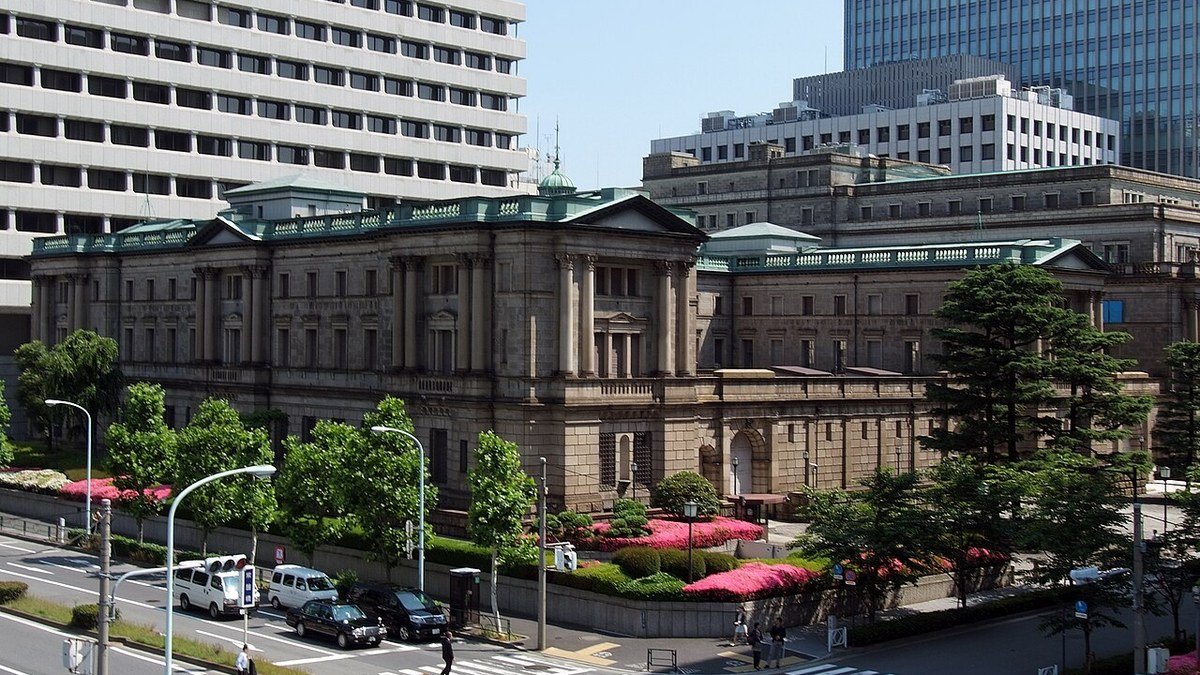
The Japanese yen suffered a steep selloff against major currencies on Wednesday, falling past 146.50 per US dollar after newly inaugurated Prime Minister Shigeru Ishiba cast doubt on the prospect of near-term interest rate increases. The remarks followed a pivotal introductory meeting between Ishiba and Bank of Japan Governor Kazuo Ueda at the Prime Minister's Office in Tokyo.
Addressing reporters on the steps of the Kantei, Ishiba struck an unexpectedly dovish tone regarding monetary policy normalization. His comments marked a notable pivot from his campaign stance during the Liberal Democratic Party leadership race, where he had voiced general support for the central bank's gradual path away from ultra-loose monetary settings.
Dovish Rhetoric Triggers Sharp Currency Depreciation
Governor Ueda described the discussion as a routine exchange of views on the macroeconomic landscape, affirming that the central bank would proceed cautiously. Ueda emphasized that monetary policymakers have sufficient time to assess volatile financial markets and international uncertainties before adjusting benchmark rates further.
Currency markets reacted instantly to the political pushback against tightening. The rapid drop in the yen provided a tailwind for domestic stock markets, propelling the Nikkei 225 index up by more than 2 percent as major exporters, including automakers and industrial machinery conglomerates, benefited from favorable translation gains.
“I do not believe the economic environment is in a position to warrant an additional interest rate hike. We must ensure sustainable emergence from deflation.” — Shigeru Ishiba, Prime Minister of Japan
Monetary Independence and Deflationary Challenges in Focus
Economic analysts noted that Ishiba's comments highlight the political sensitivity surrounding monetary tightening ahead of snap general elections scheduled for later this month. A weakening yen relieves pressure on corporate earnings but simultaneously threatens to exacerbate imported food and energy inflation for Japanese households.
The Bank of Japan is widely expected to keep its policy rate steady at 0.25 percent during its upcoming October meeting, with market participants pushing out expectations for the next rate increase into early 2025. Investors will closely scrutinize Governor Ueda's forthcoming speeches for further signals on policy alignment.
Frequently Asked Questions
Why did the Japanese yen drop past 146 per dollar?
The yen weakened after Prime Minister Ishiba stated Japan is not in an environment for an additional interest rate hike.
What was the outcome of the meeting between Ueda and Ishiba?
Both agreed to coordinate closely on economic policy, while the BOJ signaled patience before considering further rate adjustments.

Comments (0)
Log in to join the discussion.