

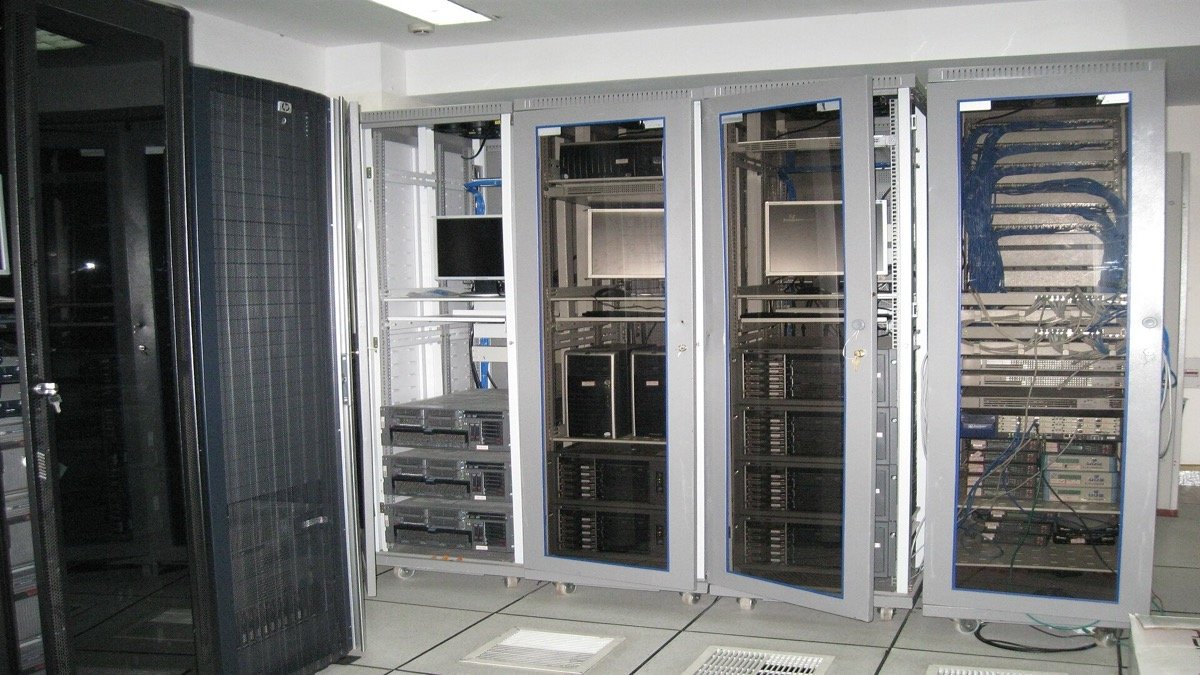
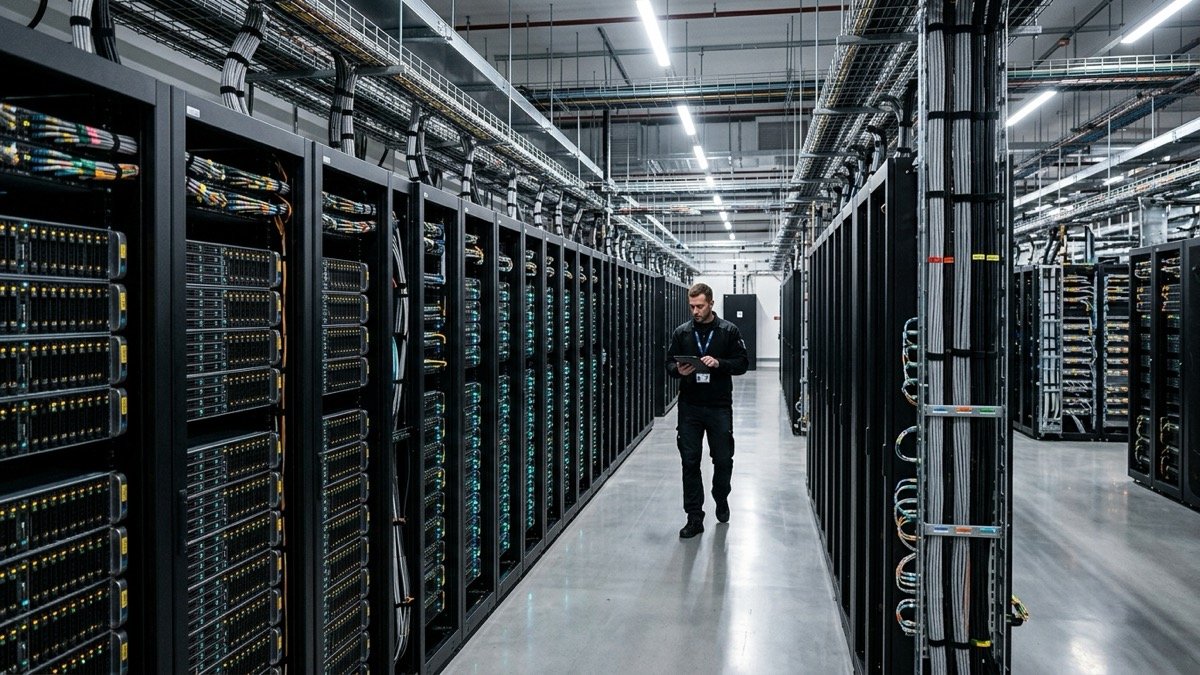
Financial heavyweight BlackRock and technology titan Microsoft officially unveiled a massive joint investment vehicle on Wednesday: the Global AI Infrastructure Investment Partnership (GAIIP). The initiative plans to mobilize an initial $30 billion in private equity to construct next-generation artificial intelligence data centers and the dedicated energy infrastructure required to power them.
When coupled with debt financing, the coalition projects that total investment potential could reach up to $100 billion. The founding group includes Global Infrastructure Partners (GIP)—the infrastructure asset manager acquired by BlackRock—as well as MGX, the technology investment firm established by the government of Abu Dhabi. AI hardware pioneer Nvidia will serve as a key technical advisor, helping optimize data center micro-architectures.
Financing the Exponential Power Demands of Generative AI
The unprecedented capital deployment comes as the explosive growth of large language models and foundation AI systems threatens to overwhelm existing regional power grids. Generative AI clusters consume orders of magnitude more electricity than conventional cloud computing workloads, creating severe bottlenecks in interconnection queues across major data center corridors.
Satya Nadella, Chairman and CEO of Microsoft, underscored the strategic imperative of private-sector collaboration: 'We are committed to ensuring AI drives innovation and augments growth across every sector of our economy. The GAIIP partnership brings together financial and industrial leaders to build the infrastructure of the future in a sustainable way.'
“Mobilizing private capital to build AI infrastructure like data centers and power will unlock a multitrillion-dollar long-term investment opportunity. Data centers are the bedrock of the digital economy.”
Open-Architecture Deployments Across U.S. and Allied Nations
The vast majority of infrastructure assets developed by the fund will be physically located within the United States, with a secondary allocation designated for strategic partner nations in Europe and Asia. Critically, the platform will operate on an open-architecture basis, providing high-capacity compute access to a wide spectrum of third-party enterprises rather than exclusively serving Microsoft.
Energy investments will prioritize clean baseload power sources, including advanced nuclear energy, geothermal grids, and dedicated battery energy storage systems (BESS), ensuring that computational scale expands in tandem with decarbonization mandates.

Comments (0)
Log in to join the discussion.