

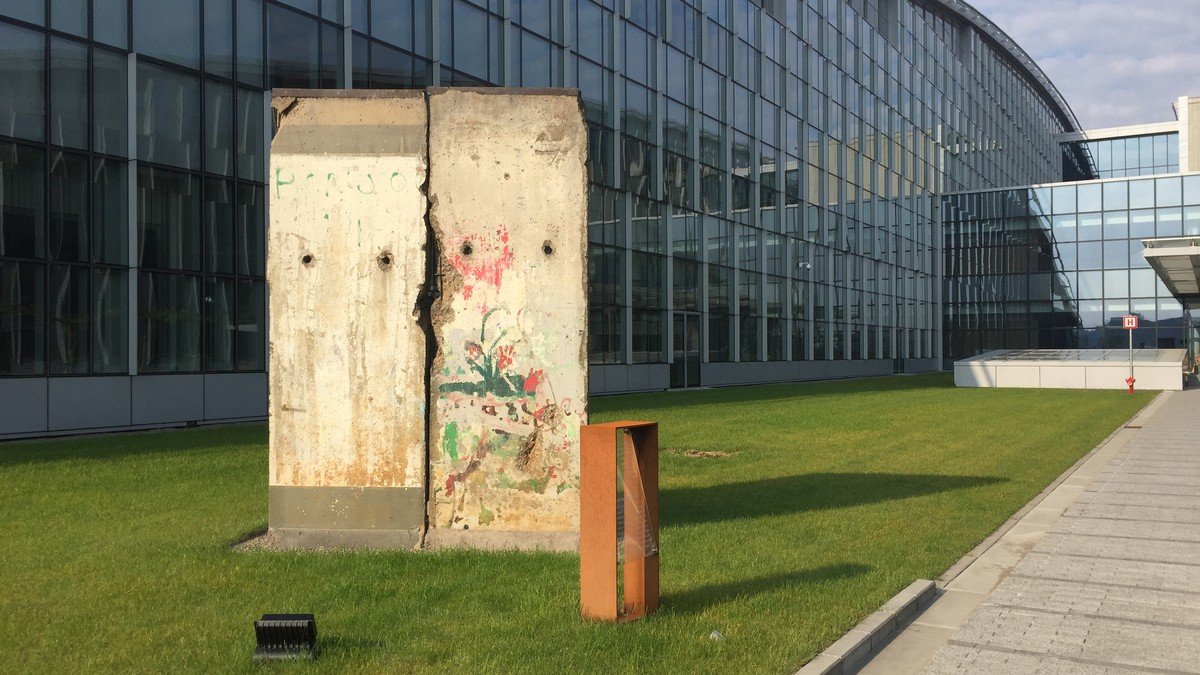
At a formal handover ceremony held at NATO headquarters in Brussels on Tuesday, former Dutch Prime Minister Mark Rutte took office as the 14th Secretary General of the North Atlantic Treaty Organization. The 57-year-old statesman assumed leadership of the 32-nation transatlantic alliance, succeeding Norway's Jens Stoltenberg, who stepped down after steering the bloc through a momentous decade of geopolitical upheaval.
The ceremonial transfer of the historic gavel took place during a meeting of the North Atlantic Council, bringing together ambassadors from all member states. Stoltenberg lauded Rutte as a skilled consensus-builder and pragmatic leader with the diplomatic acumen required to navigate Europe's most challenging security landscape since the end of the Cold War.
Leadership Transition at NATO Headquarters in Brussels
In his inaugural address to the council and international media, Rutte made an urgent appeal to member capitals to accelerate defense investments. While acknowledging that 23 allies now meet the baseline threshold of spending two percent of gross domestic product on defense, he warned that the evolving global threat environment necessitates significantly higher national contributions.
Rutte stressed that sustained deterrence hinges not only on increased budgets, but on dramatically expanding collective defense industrial capacity. He called for unified procurement programs to supply munitions, air defense systems, and armored vehicles to allied stockpiles while ensuring continuous material deliveries to Ukrainian armed forces resisting Russian aggression.
“We must spend more and increase our collective defense production. Freedom is not free, and maintaining our deterrence demands substantial investments from every ally.” — Mark Rutte, Secretary General of NATO
Strategic Priorities: Defense Production and Transatlantic Solidarity
The new secretary general reaffirmed that bringing Ukraine closer to irreversible alliance membership remains a cornerstone of NATO strategy. He underscored that European stability cannot be divorced from security in the Indo-Pacific, highlighting expanding coordination with regional partners including Japan, South Korea, Australia, and New Zealand.
Allied officials and diplomats in Washington, London, and Berlin warmly welcomed Rutte's accession, pointing to his proven track record of maintaining constructive ties across political divides. Observers noted that Rutte's extensive governing experience will be vital in preserving transatlantic cohesion following upcoming democratic elections in the United States and Europe.
Frequently Asked Questions
Who did Mark Rutte succeed as NATO Secretary General?
Mark Rutte succeeded Jens Stoltenberg, who led the alliance for a decade from 2014 to 2024.
What is Rutte's primary defense spending goal for allies?
He is urging member nations to significantly increase their defense budgets beyond the minimum 2% of GDP.


Comments (0)
Log in to join the discussion.