

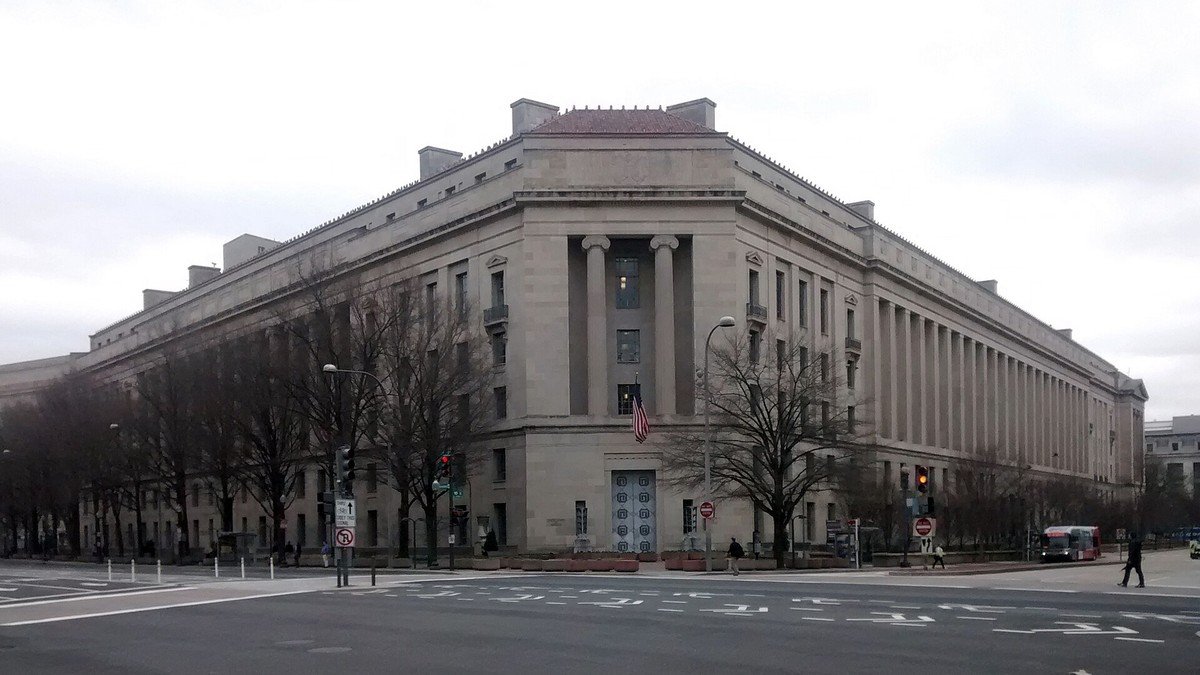
The United States Department of Justice filed a landmark court document in Washington federal court on Tuesday evening, formally signaling that antitrust prosecutors are considering recommending structural breakups of Google, including forcing the tech giant to divest its popular Chrome web browser and Android mobile operating system.
The 32-page filing follows the historic August ruling by US District Judge Amit Mehta, who determined that Google illegally maintained an unlawful monopoly in general search services and general text advertising by paying tens of billions of dollars annually to secure default status across smartphones and browsers.
Proposed Structural Remedies Target Core Distribution Gateways
Antitrust enforcers outlined four distinct categories of remedies: preventing Google from using products like Chrome, Google Play, and Android to favor its own search engine; limiting default search agreements with device makers like Apple; barring discriminatory data practices; and prohibiting Google from using its search dominance to control emerging artificial intelligence technologies.
Justice Department officials emphasized that behavioral restrictions alone might prove insufficient to restore competition in a market Google has dominated for two decades. The government stated that structural remedies may be necessary to deprive Google of the immense distribution advantages that prevent rival engines from achieving viable scale.
“For more than a decade, Google has controlled the most popular distribution channels, largely leaving rivals with little-to-no ability to compete. Fully remedying these harms requires preventing Google from using products such as Chrome, Play, and Android to advantage Google search.” — U.S. Department of Justice Antitrust Division Filing
Barring Exclusive Contracts and Protecting Rival AI Innovation
Google responded aggressively to the government filing, publishing a blog post calling the proposals radical and arguing that separating Chrome or Android would break beloved products, compromise user security, and weaken American technological leadership during a pivotal era of AI competition.
Judge Mehta has ordered the Justice Department to submit its final detailed proposed judgment by November 20, with Google filing its own proposals by December. A formal remedies trial is scheduled for the spring of 2025, with a final ruling expected by August 2025 that could reshape the global digital economy.
Frequently Asked Questions
Why is the US Department of Justice considering breaking up Google?
Following a court ruling that Google illegally monopolized search, prosecutors argue structural remedies like divesting Chrome or Android are needed to restore fair market competition.
What is the timeline for a final decision on Google remedies?
The Justice Department will file detailed proposals in November 2024, followed by an evidentiary remedies trial in spring 2025 and a ruling expected by August 2025.



Comments (0)
Log in to join the discussion.