

Boeing President and Chief Executive Officer Kelly Ortberg informed employees on Wednesday that the aerospace manufacturer will implement temporary, rolling furloughs affecting tens of thousands of U.S.-based white-collar workers, managers, and executives. The drastic austerity measure is intended to conserve cash as a crippling strike by 33,000 factory machinists stretches into its second week.
Under the emergency cost-containment framework, impacted non-union personnel will be required to take one week of unpaid furlough every four weeks for the duration of the labor stoppage. Ortberg, who took the helm of the embattled planemaker in August, announced that he and his executive leadership team will also take commensurate voluntary reductions in salary.
Cash Preservation Amid Production Shutdown
The strike by members of the International Association of Machinists and Aerospace Workers (IAM) District 751 began on September 13 after 96% of voting union members overwhelmingly rejected a proposed four-year contract that included a 25% general wage increase. Workers are demanding a 40% wage increase over four years and the reinstatement of a defined-benefit pension plan eliminated a decade ago.
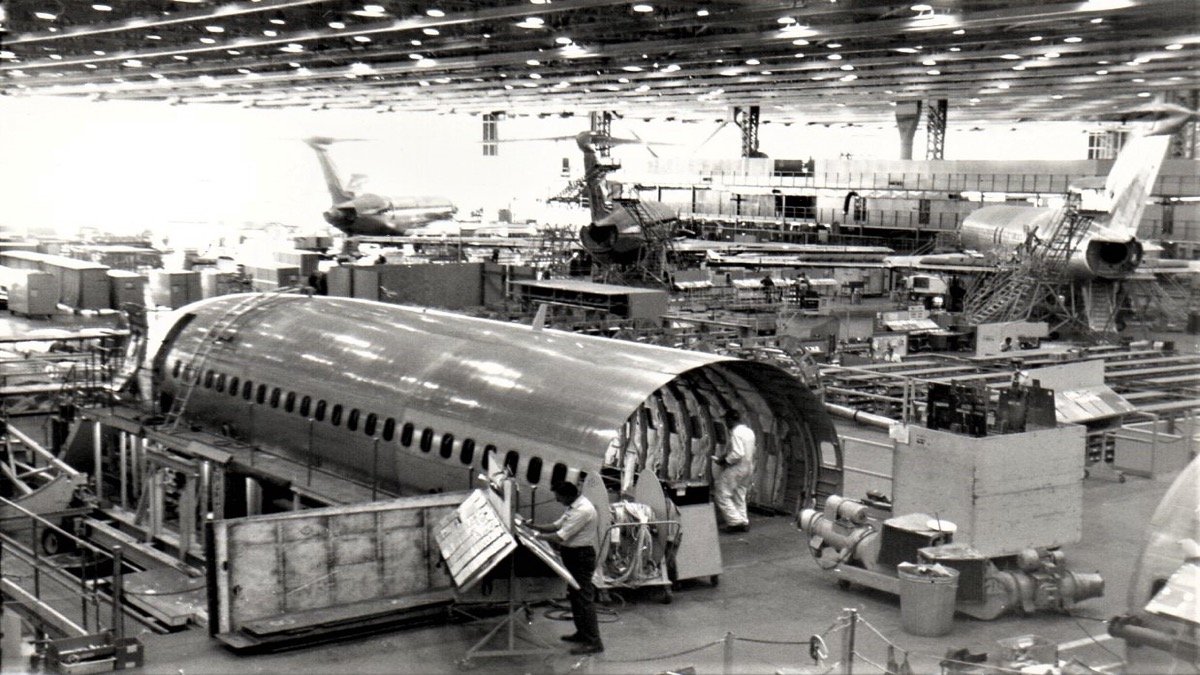
The work stoppage has completely halted final assembly lines for Boeing's most commercially vital programs, including the bestselling 737 MAX in Renton, Washington, as well as the 777 widebody and 767 freighter aircraft in Everett. Production of the 787 Dreamliner continues at Boeing's non-union facility in North Charleston, South Carolina.
“We are initiating temporary furloughs over the coming days that will impact a large number of U.S.-based executives, managers, and employees. Our team must take these difficult steps to preserve our long-term future and conserve cash.”
Federal Mediation in Seattle Negotiations
Credit rating agencies, including Moody's and S&P Global Ratings, have placed Boeing's credit ratings on review for downgrade to junk status, noting that a strike lasting more than a month could drain up to $3 billion in cash reserves.
Negotiators from Boeing and the IAM met alongside federal mediators from the Federal Mediation and Conciliation Service in Seattle this week, though both sides reported that substantial gaps remain regarding wages, retirement benefits, and job security commitments.

Comments (0)
Log in to join the discussion.