

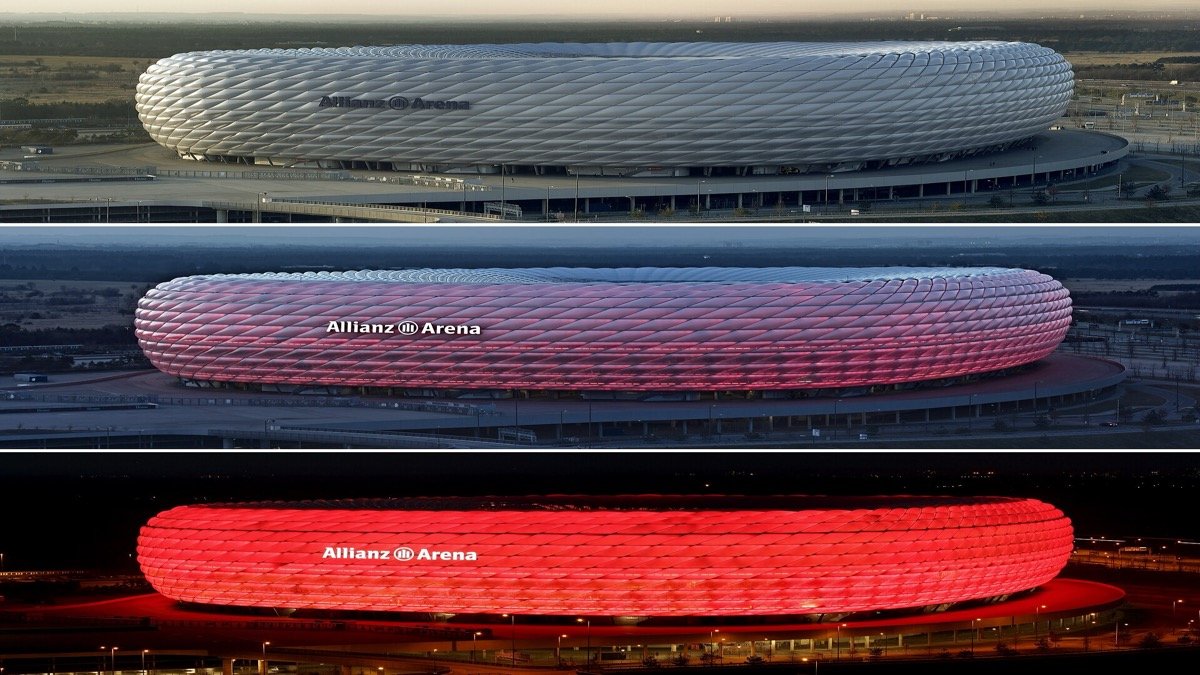
The UEFA Champions League officially entered a historic new era this week as the expanded 36-team competition kicked off its inaugural 'league phase', permanently replacing the traditional four-team group stage format that had governed European club football since 1992.
The opening matchday delivered high-stakes encounters across the continent, highlighted by Manchester City hosting Inter Milan in a rematch of the 2023 final and Bayern Munich recording a nine-goal statement victory.
The Mechanics of the Swiss-System Model
Under the new structure, often referred to as the Swiss model, all 36 clubs are ranked in a single unified standings table. Each team plays eight matches against eight different opponents—four at home and four away—drawn evenly from four seeding pots.
This ensures that even in the opening round, European giants face two other Pot 1 heavyweights, increasing marquee matchups early in the calendar year.
“This format brings greater competitive balance and delivers marquee clashes from matchday one.”
Knockout Qualification and Player Fatigue Debates
At the conclusion of the eight-match league phase in late January, the top eight clubs automatically qualify for the round of 16, while teams placed 9th to 24th contest two-legged knockout play-offs.
While broadcast networks praised the heightened drama, prominent managers including Carlo Ancelotti and players like Rodri voiced concerns regarding fixture congestion.
Comments (0)
Log in to join the discussion.